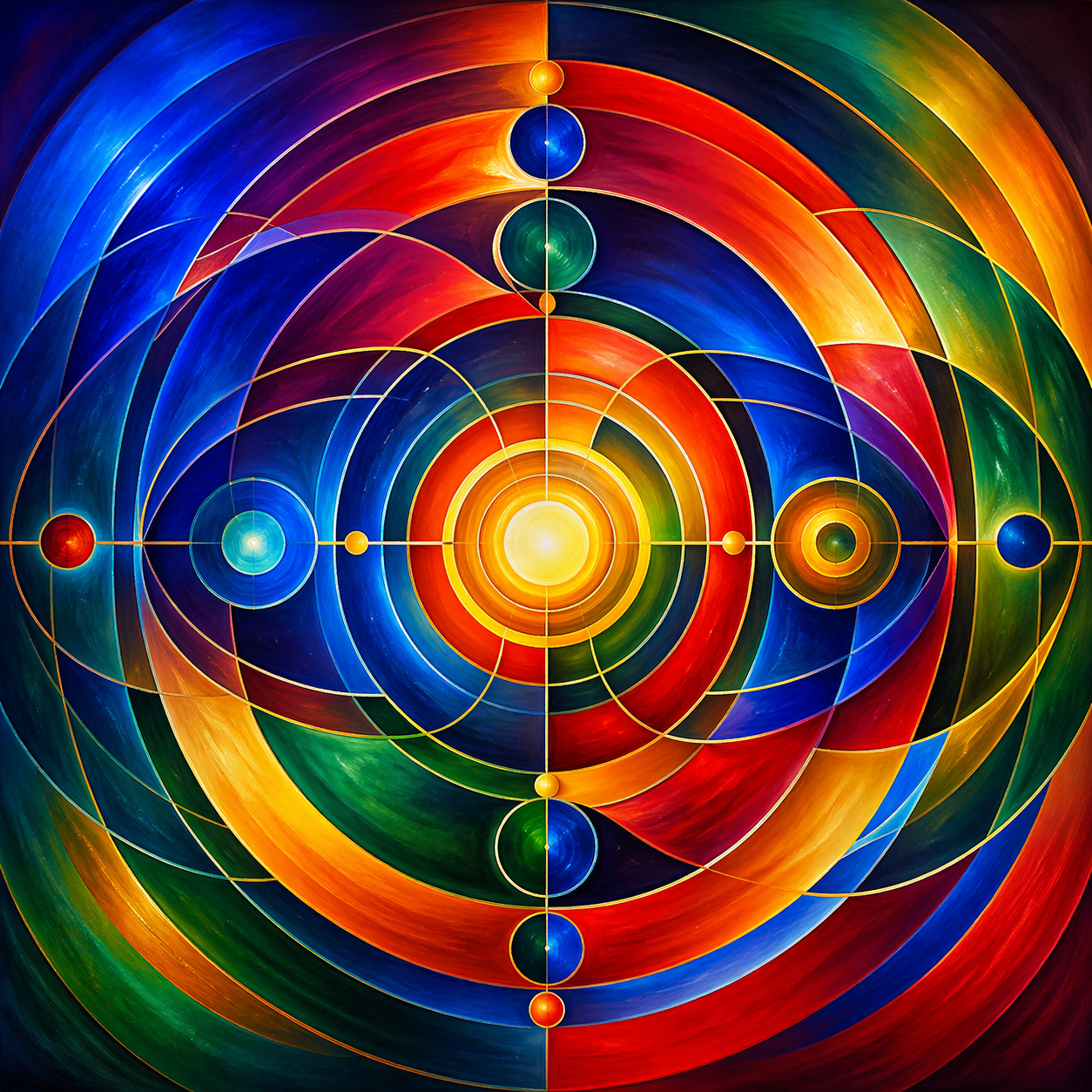
There are artists who paint things.
There are artists who paint feelings.
And then there is Robert Delaunay, who looked at a circle and thought, what if this thing could hum? He was a French painter born in 1885 and became one of the central figures of Orphism, the color-drunk, rhythm-loving branch of early abstraction.
Welcome to Orphism’s unofficial co-founder, color DJ, and full-time enthusiast of making geometry feel like it just had three espressos.
Who is this guy?
Robert Delaunay was one of those artists who saw no reason for painting to remain calm, obedient, or even especially interested in sitting still. He wanted color to do more than describe objects. He wanted it to generate energy, movement, and maybe a mild spiritual episode if you stood in front of the canvas long enough.
He was not built for dusty academic obedience. Formal art training and Robert Delaunay were never exactly a legendary romance. He learned through practice, experimentation, influences, and the kind of artistic stubbornness that usually produces either a masterpiece or a room no one wants to repaint.
He also worked closely with Sonia Delaunay, and together they helped define Orphism as something brighter, livelier, and far less interested in pretending painting had to behave.
What is he known for?
Circles. Glorious, unapologetic, spinning circles.
Also:
- light
- color relationships
- making static paintings feel like they are halfway through a jazz solo
His best-known work includes pieces from the Windows series, including Simultaneous Windows (2nd Motif, 1st Part), Windows Open Simultaneously (First Part, Third Motif), and the gloriously restless Eiffel Tower paintings such as Eiffel Tower with Trees. If you want a broader museum view of his work, the MoMA artist page, the Guggenheim artist page, the Tate artist page, and this WikiArt works page are excellent places to wander.
If you stare at these long enough, you begin to suspect the painting might blink first.
His style (aka: controlled chaos with a color palette)
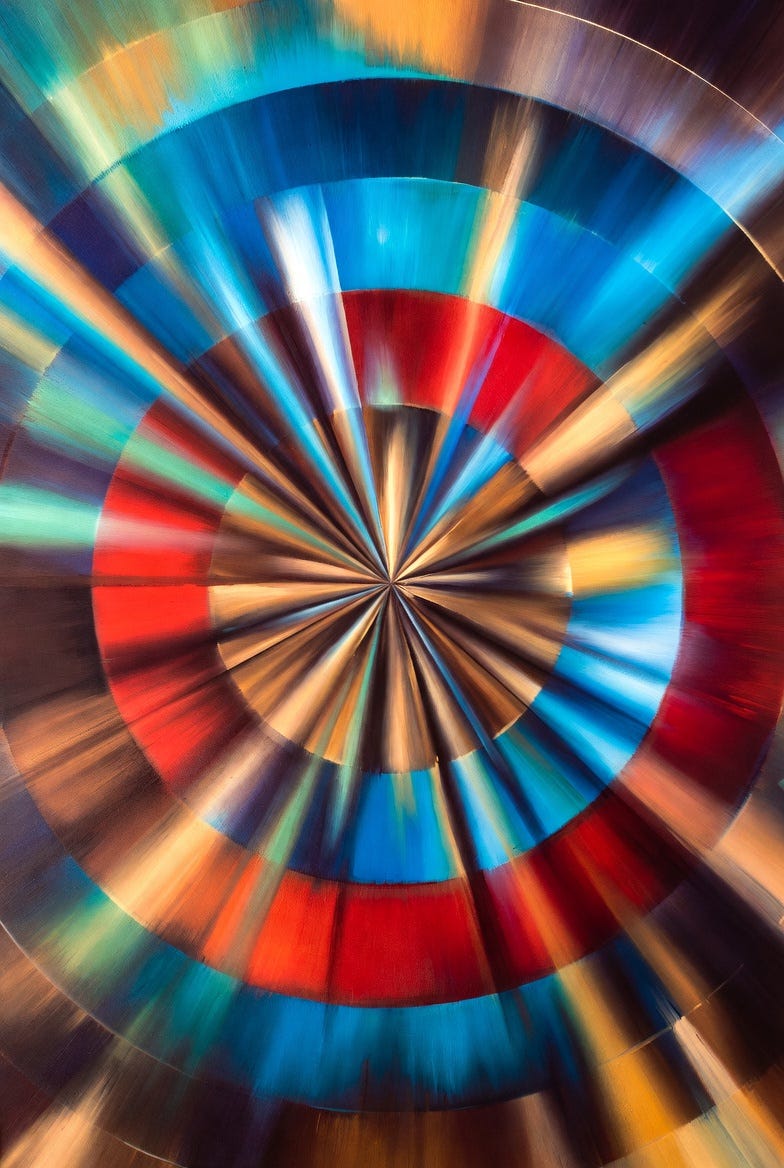
Delaunay’s style lives somewhere between Cubism, abstraction, and a full-scale love affair with color theory. But unlike the more analytical side of Cubism, which sometimes feels like a violin got disassembled by a philosopher, Delaunay wanted color and form to feel musical, luminous, and alive.
That is where his idea of simultaneity comes in. Colors do not just sit politely beside each other. They change each other. They push, pull, vibrate, and generally behave like dramatic neighbors with no respect for fences. Tate’s explanation of Simultanism gets at that beautifully, and you can see it in the works themselves without needing anyone to hand you a 400-page theory brick.
Did anyone teach him?
Not in the classic academy-master sense.
He absorbed lessons from Post-Impressionism, from Seurat’s attention to color, from Cézanne’s structure, and from scientific writing on contrast. Then he took all of that and turned the volume up until the painting started sounding like color had discovered percussion.
Which is honestly one of the better possible outcomes.
Special techniques (or: how to make paint feel like it’s alive)
Delaunay leaned heavily into simultaneous contrast, circular structures, broken planes of color, and rhythmic arrangement. He was interested in how the eye experiences color in motion, even though the canvas itself is just sitting there, technically doing nothing, while causing a great deal of visual commotion. His Windows paintings and later circular compositions make that especially clear.
The result is work that does not merely decorate a wall. It vibrates. It pulses. It looks like it should come with a soundtrack and a warning for anyone hoping to remain emotionally beige.
Collaborations and connections
Robert Delaunay was not making all this visual electricity in isolation. He moved in avant-garde circles, knew the Cubists, and was championed by Guillaume Apollinaire, the poet-critic who helped name Orphism. He and Sonia Delaunay pushed these ideas beyond painting into design, textiles, books, and everyday modern life, which is one of the reasons their work still feels strangely contemporary instead of trapped in a museum time capsule.
Was he wealthy?
Not especially, at least not in the fairy-tale version where genius gets rewarded on a reliable payroll schedule. Like many major artists, he had periods of recognition and influence without enjoying the kind of permanent, relaxed financial comfort that would let a person casually say things like, “I summer where the curtains are imported.”
Art history is full of geniuses and very questionable budgeting.
When was he most popular?
His strongest wave of influence came in the 1910s through the 1930s, especially as abstraction was finding its footing and artists were trying to figure out how far painting could go once it stopped feeling obligated to imitate the visible world. Delaunay was right there, cheerfully shoving it farther.
Tell me more, please
What makes Delaunay fun is that he was not just painting pretty color relationships. He genuinely believed painting could operate a little like music. It did not have to narrate. It did not have to copy. It could create its own reality through rhythm, light, contrast, and structure.
That sounds lofty, and it is.
It also gave us paintings that feel weirdly fresh more than a century later, which is a trick a lot of art would very much like to learn.
He also returned again and again to modern subjects like the Eiffel Tower, city views, windows, aviation, sport, and movement. That gave his abstractions a pulse connected to modern life instead of some distant decorative fog. Even when the paintings became more nonrepresentational, they still felt plugged into speed, light, and urban energy.
Any other interesting tidbits?
Absolutely.
He painted the Eiffel Tower so many times that he started to seem less like a fan and more like a man in an ongoing spiritual negotiation with industrial iron.
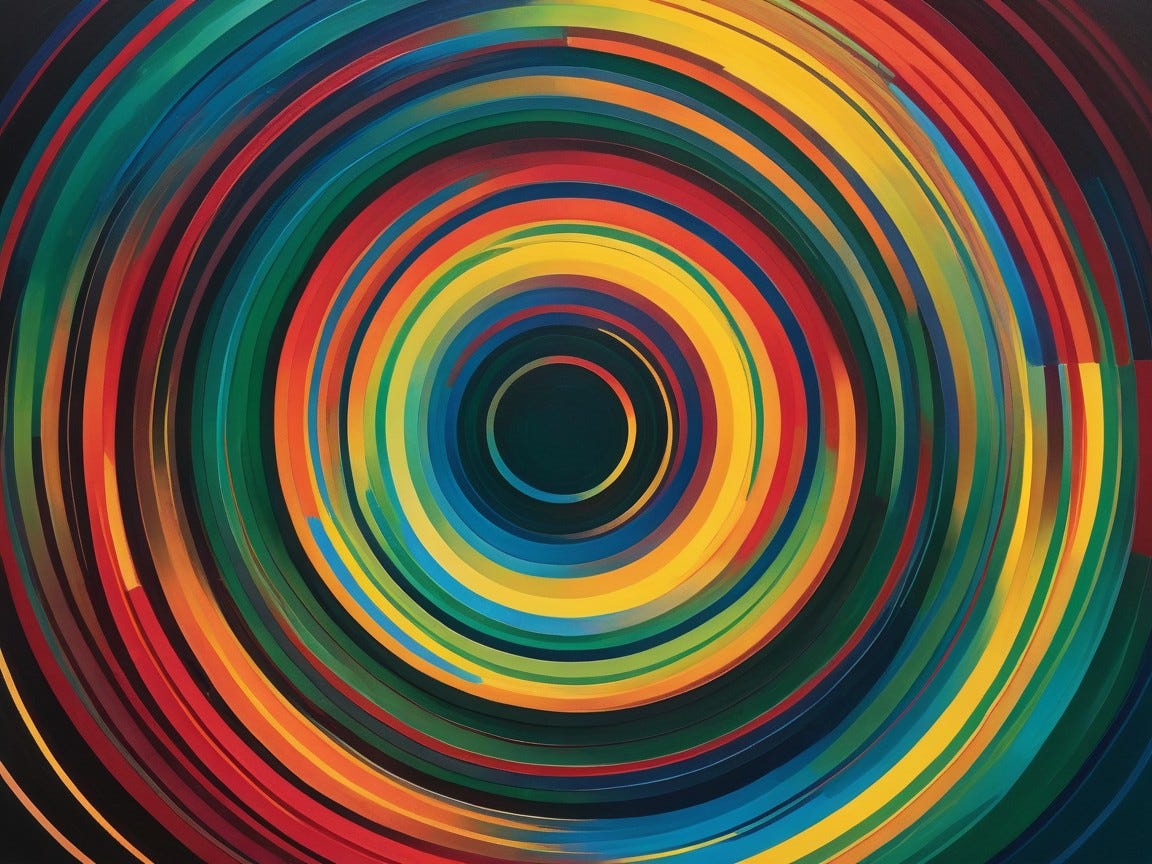
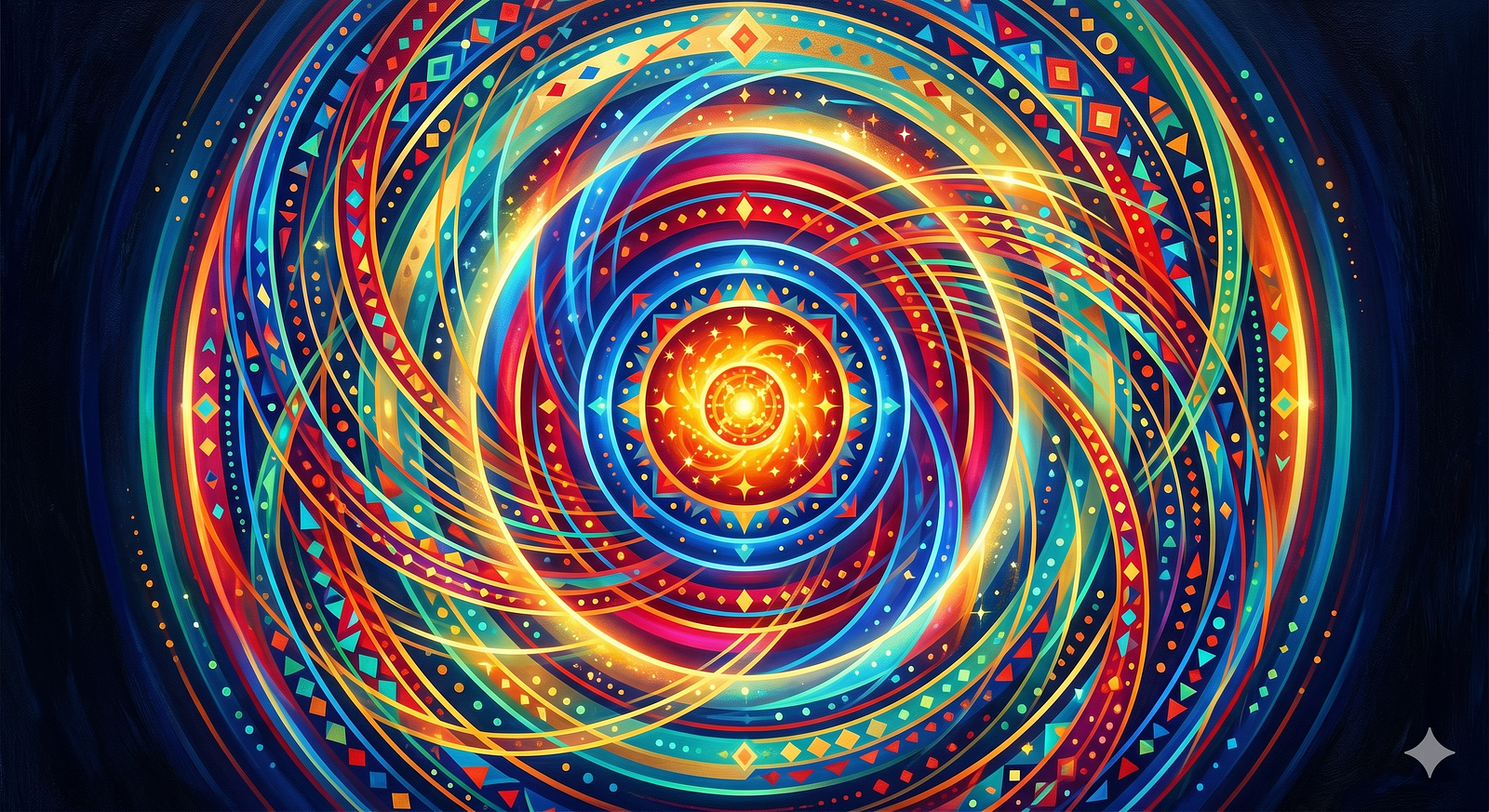
His circular compositions later became some of his most recognizable work because they distilled his whole mission into one visual event: color as motion, motion as rhythm, rhythm as painting having a very good day.
And perhaps most importantly, he helped prove that abstraction did not have to be cold, severe, or emotionally distant. It could be bright. It could be joyful. It could practically tap you on the shoulder and say, “Wake up, your eyeballs are underachieving.”
Final thought
Some artists ask you to look.
Delaunay asks you to feel the color.
And once you do, it becomes hard to return to the idea that paintings are quiet objects hanging politely on walls. His work feels more like a concert that forgot it was made of paint.
Which, frankly, is a wonderful thing for a painting to forget.
Art Prompt (Orphic Abstract):
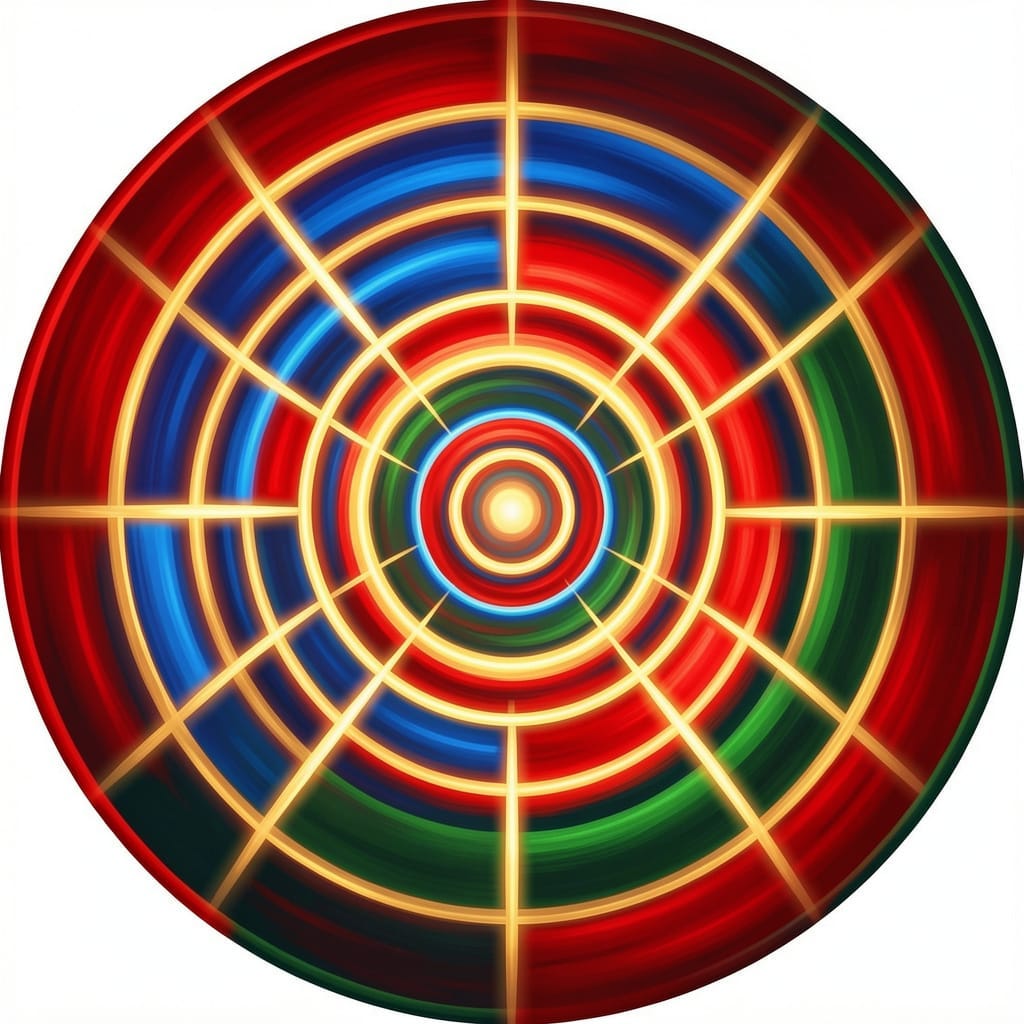
A radiant abstract composition built from concentric circles, overlapping discs, curved bands, and luminous geometric fragments, glowing with saturated crimson, cobalt blue, sunflower yellow, emerald green, and flashes of orange; the arrangement feels rhythmic and musical, with crisp edges, soft transitions, and an exhilarating sense of optical vibration, balanced between elegant structure and joyful motion, as though light itself has been organized into a living pattern
Video Prompt:
A mesmerizing animated abstract scene of concentric circles, glowing discs, and sweeping geometric arcs pulsing in rhythmic motion, colors shifting through vivid reds, blues, yellows, greens, and orange highlights; the shapes rotate, expand, overlap, and ripple like visual music, with luminous transitions, hypnotic energy, and a smooth modern flow that feels alive and impossible to scroll past
Soundtrack for the Motion
- Atlas — Bicep
- Sycamore — Bonobo
If this made your brain do a happy little cartwheel, follow me for more art, more ideas, and more beautifully unhinged creative history.
And if you have a favorite Delaunay work, or another abstract painting that feels like it is secretly in motion, drop it in the comments. I want to hear which one got hold of your eyeballs and refused to let go.