I got a polite little text from the power company the other day. Very calm. Very reasonable. The digital equivalent of someone whispering, “Hey… maybe don’t run the dishwasher, dryer, oven, and five space heaters at the same time tomorrow morning.”
That message is the modern version of a town crier ringing a bell and yelling, “Winter has arrived and the grid is tired.”
Power outages are one of those things we all think we understand right up until they happen. Then suddenly you are standing in your kitchen, staring into a dark refrigerator like it personally betrayed you.
Civilization, Briefly Interrupted
Electricity is the most invisible dependency in human history. When it works, nobody cares. When it doesn’t, society immediately reverts to the emotional maturity of a raccoon locked out of a dumpster.
No lights means no traffic signals. No traffic signals means everyone becomes a philosopher who believes they have the right of way. No power means no internet, which is when we rediscover books and immediately complain that they do not scroll.
And yes, historically, this has happened a lot.
Entire cities have gone dark across the globe. North America, Europe, Asia, South America, Africa — no continent is immune. Canada once lost power to tens of millions because a tree leaned on a transmission line like it was taking a casual nap. India experienced an outage so large that it temporarily turned off the world’s most populated country. Italy went dark because a single line in Switzerland tripped and cascaded like a line of dominos with a grudge. Australia has had storms knock out grids the size of small nations. Brazil has seen hydro failures that left entire regions candle shopping at the same time.
Modern countries are especially vulnerable because everything is connected. Older systems were isolated. New systems are efficient, fast, and slightly dramatic when stressed.
How Long Do These Things Last?
Sometimes it is minutes. Sometimes it is hours. Sometimes it is long enough for people to start Googling “how long is milk still good without refrigeration” using their phone battery like it’s a dwindling life raft.
The biggest outages in developed countries typically last anywhere from a few hours to a couple of days. Rarely longer. But the social impact starts immediately. ATMs stop working. Gas pumps freeze. Elevators become trust exercises.
Hospitals flip to backup power. Homes do not.
Yes, People Have Died
This part gets real for a moment.
Power outages have caused deaths. Heat waves combined with outages have been deadly, especially for the elderly. Medical devices that require electricity fail. Traffic accidents increase when signals go dark. Carbon monoxide poisoning rises when people improvise with generators and grills indoors.
Electricity is not a luxury. It is infrastructure that quietly keeps people alive.
How Many People Are Affected Every Year?
Hundreds of millions globally experience outages annually. Most are short. Some are catastrophic. The common thread is that no one plans for them until the lights are already out and someone is yelling, “WHO TOUCHED THE THERMOSTAT.”
The Weird Side Effects Nobody Talks About
Crime patterns change. Community interactions increase. People actually talk to their neighbors, usually to ask if they have candles or if their power is also out or if they know what that sound was.
Children think it is fun. Adults pretend it is fun while quietly panicking about frozen food.
Restaurants become chaotic social experiments. Ice cream becomes a race against time. Board games make a brief and glorious comeback.
The Grid Is Not Weak, It Is Just Human
The electric grid is one of the most complex machines humanity has ever built. It balances supply and demand in real time, across weather systems, human behavior, and aging infrastructure.
When power companies ask people to reduce usage during extreme conditions, they are not being dramatic. They are buying time. A few degrees on thermostats, a few hours without laundry, and suddenly the system breathes again.
If you want practical tips on how to help during those moments, the power company actually does a solid job laying them out at https://www.duke-energy.com/home/savings/lower-my-bill-toolkit.
And if you want a little personal insurance for your sanity when the lights do go out, having a small backup power station changes everything. Phones stay charged. Lamps stay on. Panic stays optional. Something like the portable power stations at https://www.jackery.com exist specifically because outages stopped being rare.
The Big Takeaway
Power outages remind us that modern life is a miracle held together by wires, cooperation, and people doing the boring work well.
They also remind us to be nicer to utility workers, to own at least one flashlight that actually has batteries in it, and to appreciate electricity before it ghosts us again.
If you have an outage story, especially a ridiculous one, drop it in the comments. Follow along for more oddly comforting reminders that civilization is impressive, fragile, and occasionally needs a nap.
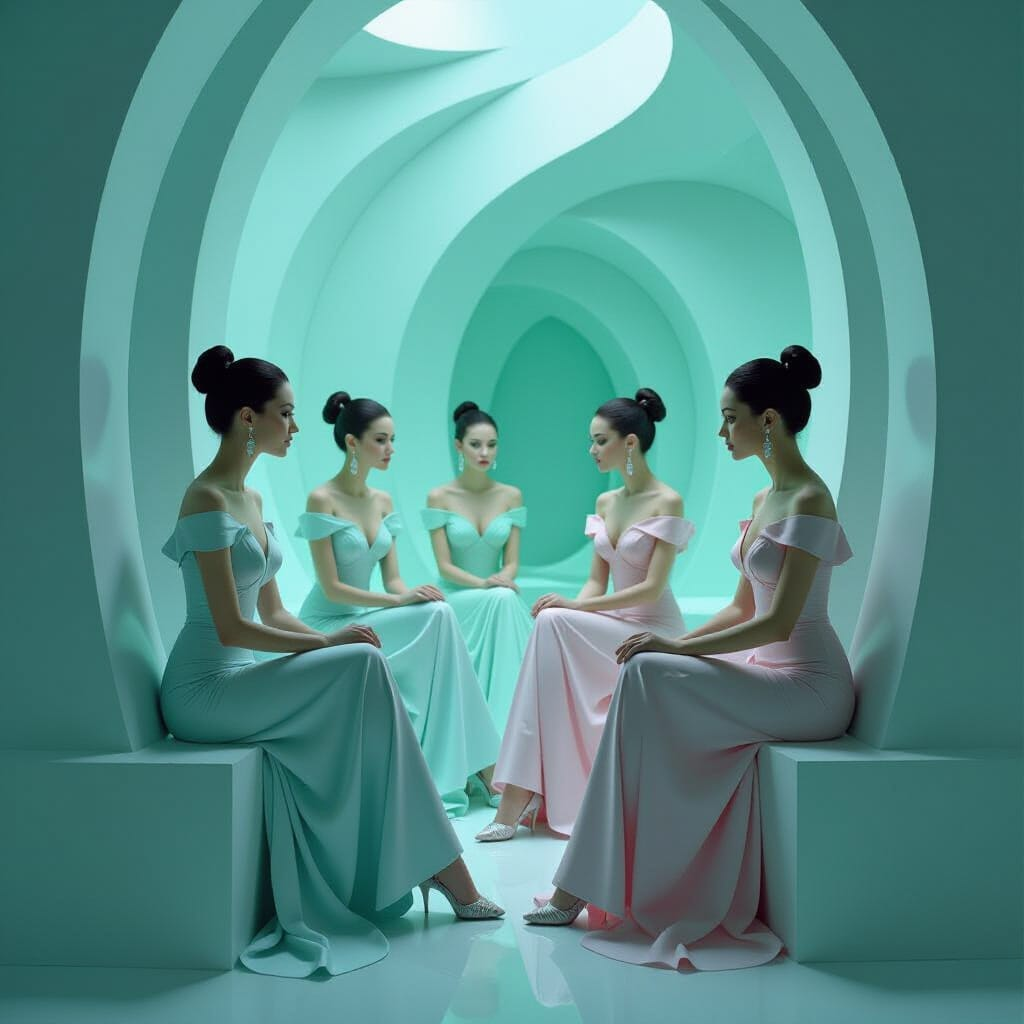
Art Prompt (Mannerism): A dramatic interior scene rendered with elongated, elegant figures posed in subtly unnatural postures, their gestures expressive and slightly tense. The composition feels vertically stretched, with swirling architectural elements that bend perspective just enough to feel unstable. Colors are cool and luminous — soft greens, pale blues, muted pinks — contrasted by sharp highlights that give the scene a polished, almost porcelain sheen. Faces are serene yet emotionally charged, with refined features and distant gazes. Lighting feels artificial and theatrical, casting gentle shadows that emphasize form over realism, creating a refined, uneasy beauty.
Video Prompt: Transform the scene into a living tableau where figures slowly shift poses with fluid, almost balletic motion. Fabrics ripple as if stirred by unseen currents. Architectural lines subtly flex and realign, creating a hypnotic sense of movement. Light pulses gently across the scene, emphasizing faces and hands in rhythmic intervals. Occasional close-in motion draws attention to expressive gestures before drifting back into the full composition, maintaining an elegant, surreal energy throughout.
For the soundtrack, try pairing it with
From The Start — Laufey
My Love Mine All Mine — Mitski
Follow for more thoughtful chaos like this, and tell me in the comments: candles or flashlights first?