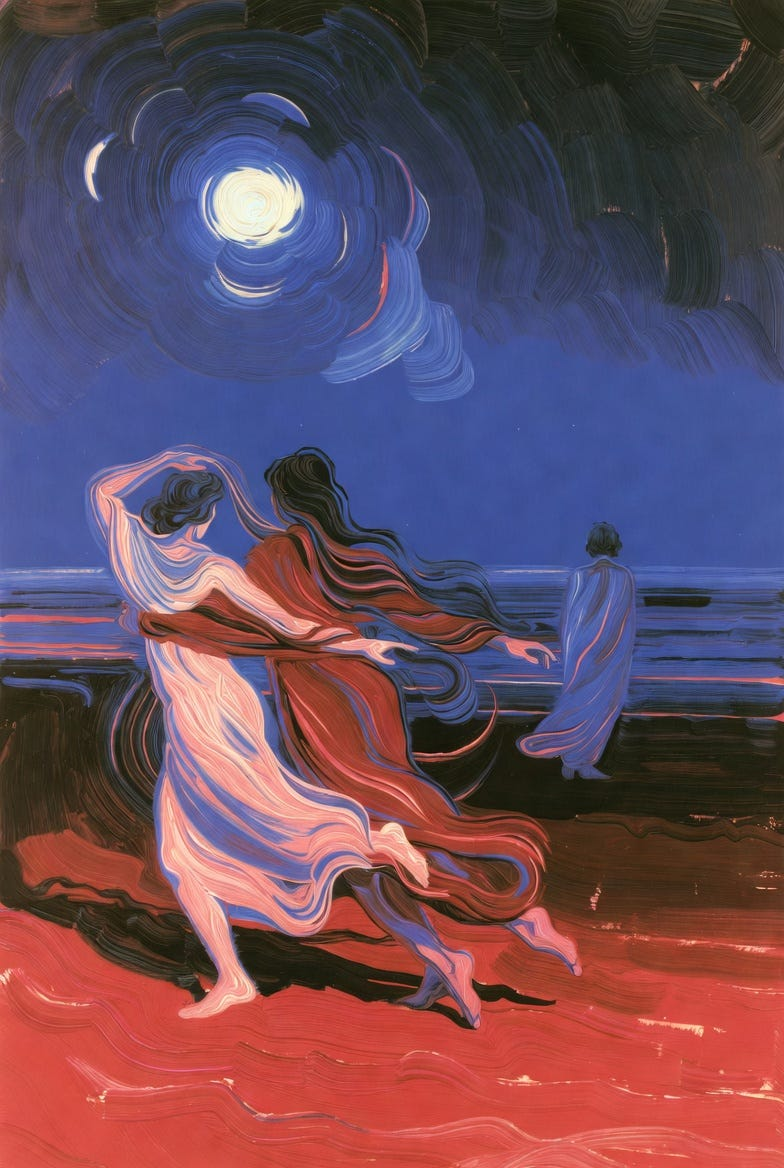
Episode 48: Yayoi Kusama, or How to Turn One Polka Dot Into an Entire Universe
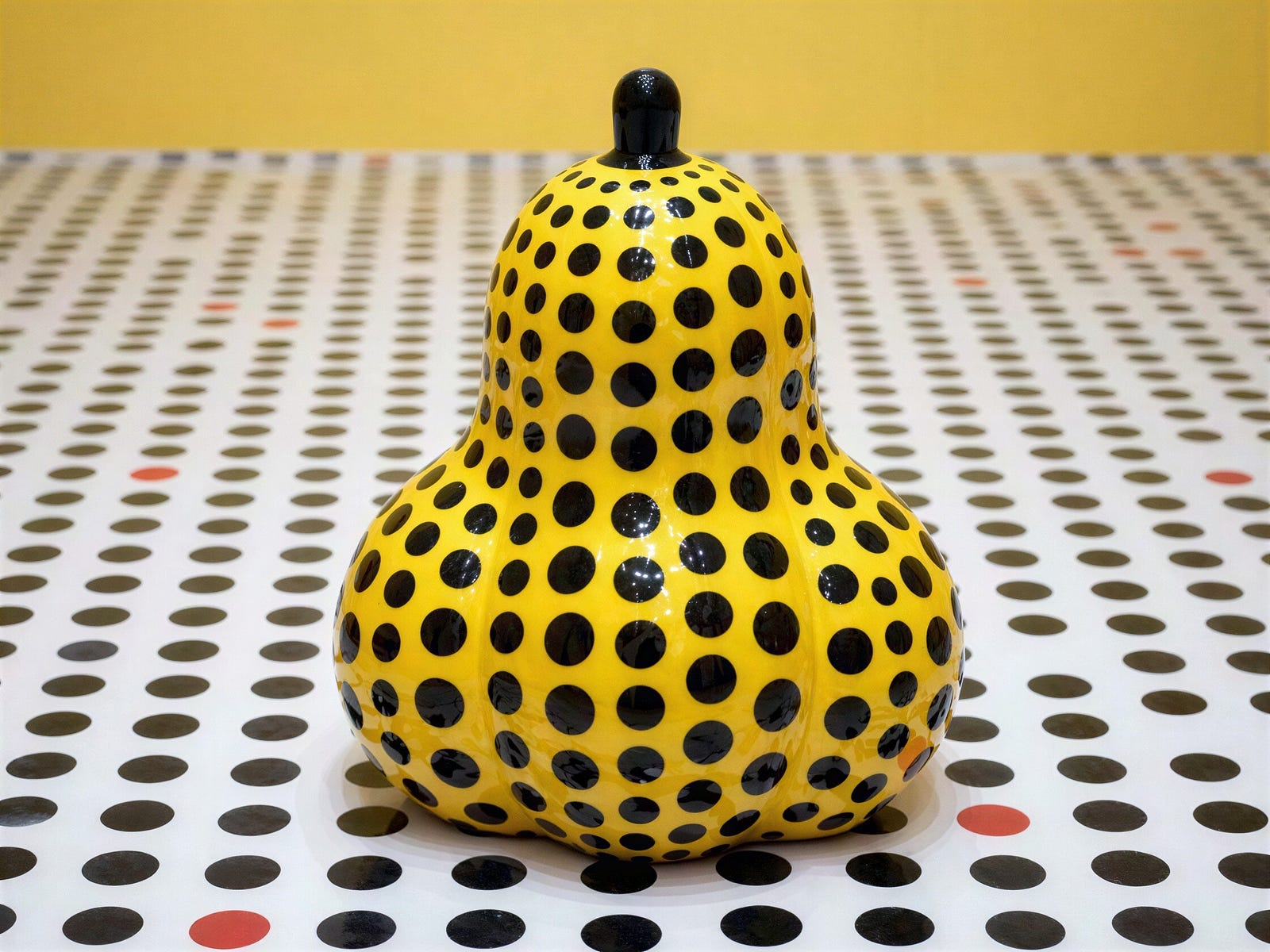
Some artists paint a landscape. Yayoi Kusama looked at a landscape and thought, “Yes, but what if it had 8,000 dots, a mirror, and the mild sensation of floating through space like a very stylish astronaut?” And somehow, she was right. Kusama is one of the most recognizable living artists on Earth. Not because she’s … Read more
Pulumi vs Terraform: The Infrastructure Cage Match Where Everyone Is Wearing YAML-Resistant Spandex

If you have ever looked at your cloud bill and thought, “Wow, I have built a very expensive abstract sculpture,” congratulations: you are ready for Infrastructure as Code (IaC). Two heavyweight contenders show up to this fight wearing different outfits: Lets get into it. What it is Terraform Terraform is an IaC tool that lets you … Read more

Episode 2: Buddhism — A Practical Guide to Suffering, and What to Do About It

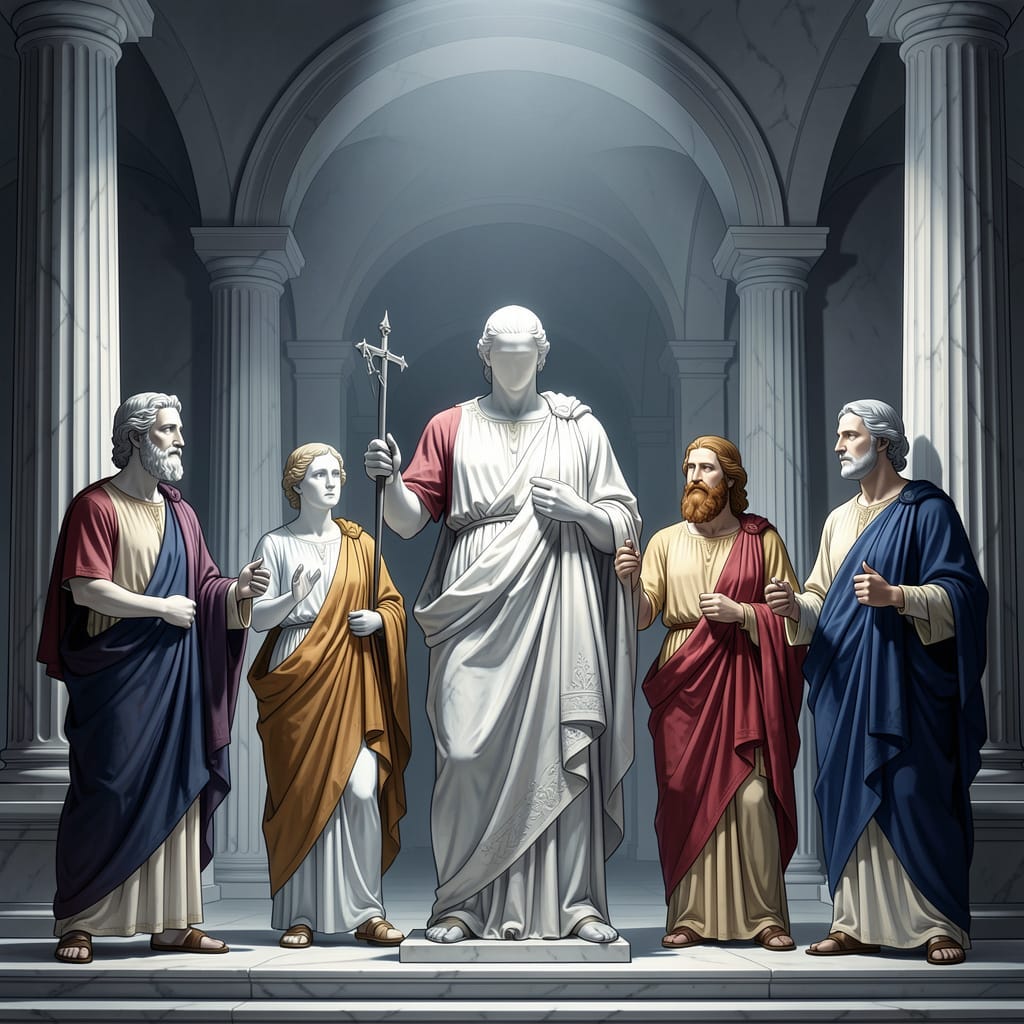
If the Baháʼí Faith opened this series by talking about unity and continuity, Buddhism arrives with a very different but equally disarming opening line: life involves suffering. No thunder, no cosmic courtroom, no villain monologue. Just an observation, delivered calmly, and followed immediately by something refreshingly useful: a method. This episode is part of The … Read more

Episode 2: Social Networks — Who Influences Whom (and Why FAANG Cares)

Before we jump in, here is the intro to the overall series, which explains why graph theory keeps showing up in interviews and real systems: https://medium.com/@DaveLumAI/what-am-i-missing-about-graph-theory-and-why-faang-keeps-bringing-it-up-e010db2aef7e If Episode 1 was about getting from point A to point B without losing your sanity, Episode 2 is about people. Or more precisely: connections between people, companies, bots, … Read more

Episode 1: Maps, GPS, and Why Your Phone Knows a Shortcut You Don’t

If you have ever watched your GPS calmly reroute you around traffic like it planned this all along, congratulations: you have already trusted graph theory with your time, your fuel, and your sanity. This first episode of the mini graph theory series starts with the most familiar setting possible: maps. Streets are edges. Intersections are … Read more

Episode 1: The Baháʼí Faith — One World, Many Chapters

If history were a long-running book series, the Baháʼí Faith would be one of the newer volumes, but it opens with an ambitious premise: humanity is one family, history has a direction, and religion is less a collection of disconnected sequels and more an unfolding narrative. The Baháʼí Faith was founded in the mid-19th century … Read more

YAGNI: Or How I Learned to Stop Worrying and Love the Boring Version

There is a moment in every project where things are going well, everyone is smiling, the tests are green, and someone says the most dangerous sentence in software: “But what if…?” That, my friends, is where YAGNI lives. YAGNI stands for You Aren’t Gonna Need It. It is not a suggestion. It is a quiet … Read more

Edvard Munch: Existential Angst in Pastels (And Other Ways to Ruin a Perfectly Good Afternoon)

Edvard Munch (1863–1944) was a Norwegian painter and printmaker who basically looked at the human experience and said, “Wow. Bold choice. Terrifying though.” If you only know him for that scream, you are not wrong, but you are also missing the rest of his emotional catalog: grief, longing, jealousy, illness, love, dread, and that special … Read more

Backend-for-Frontend (BFF): The Tiny Butler Standing Between Your App and Total Chaos

If you have ever built an app that has both a web UI and a mobile UI, you have probably met this situation: A Backend-for-Frontend (BFF) is the pattern that says: “Stop making one backend do interpretive dance for every client. Give each client its own friendly little backend.” Microsoft describes the pattern as creating … Read more

When a Fancy Art Prompt Accidentally Summons the Internet After Dark

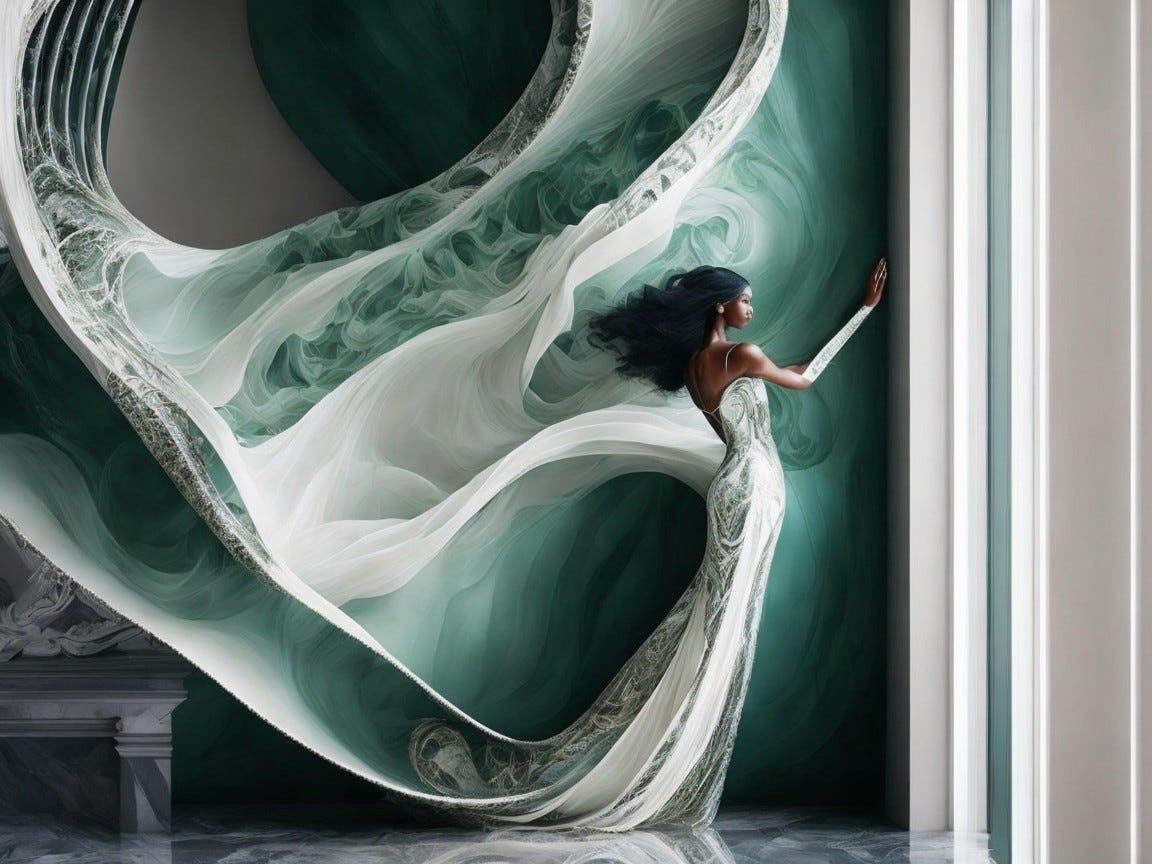
A dramatic interior scene rendered with elongated, elegant figures posed in subtly unnatural postures, their gestures expressive and slightly tense. The composition feels vertically stretched, with swirling architectural elements that bend perspective just enough to feel unstable. Colors are cool and luminous — soft greens, pale blues, muted pinks — contrasted by sharp highlights that give the scene a … Read more