October Review: Gains, Gaps, and a Dash of Colorfield Calm
October felt like tuning a messy orchestra and landing on a surprisingly catchy groove. Sales were flat (the triangle player took a coffee break), but attention and discovery spiked across platforms — especially where quick visuals and short reads shine. Highlights at a glance What do the metrics say? Most and least popular — what actually resonated? Patterns I’m seeing What worked … Read more

Web3 Languages, Episode 2: Solidity Without Tears (Or Reentrancy)

If you missed the series intro, start with Episode 1: The Big Four — Solidity, Vyper, Rust, and Move and the Web3 overview — then come back for today’s deep dive into Solidity, the EVM’s chatty extrovert who always shows up with a toolbelt and a stack of audit notes. Solidity in One Breath Solidity is a contract-oriented, statically … Read more

Episode 30: Paul Cézanne — The Quiet Earthquake That Shook Modern Art

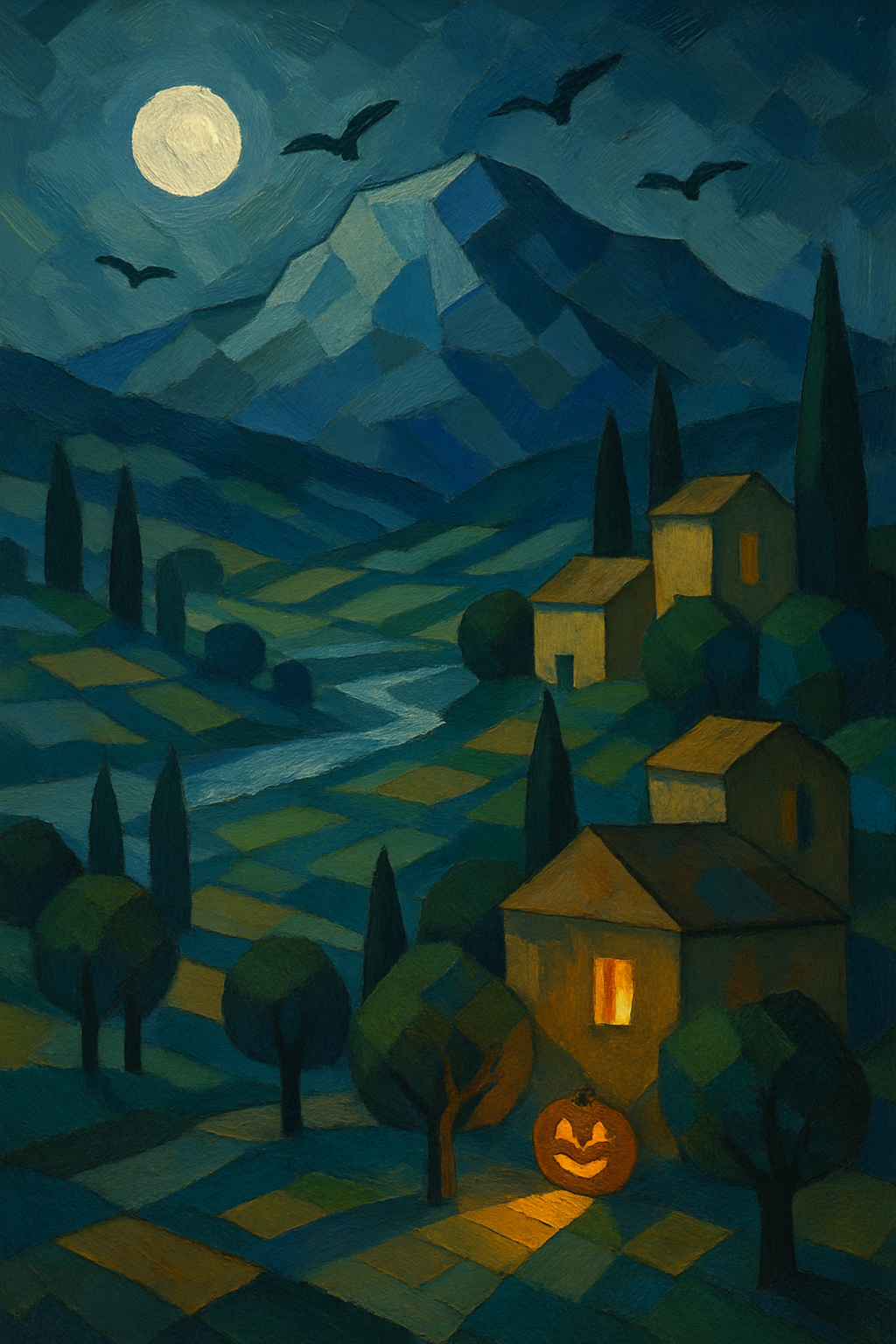
Paul Cézanne is the painter who looked at apples, mountains, and bathers and quietly muttered, “I can rebuild you.” He didn’t chase stardom; he rebuilt painting from the inside out — one blocky brushstroke, one tilted tabletop, one stubborn apple at a time. If Impressionism caught the sparkle of a passing moment, Cézanne asked: what if we … Read more

Episode 29: Vincent van Gogh — Swirls, Sunflowers, and Stardust Nerves

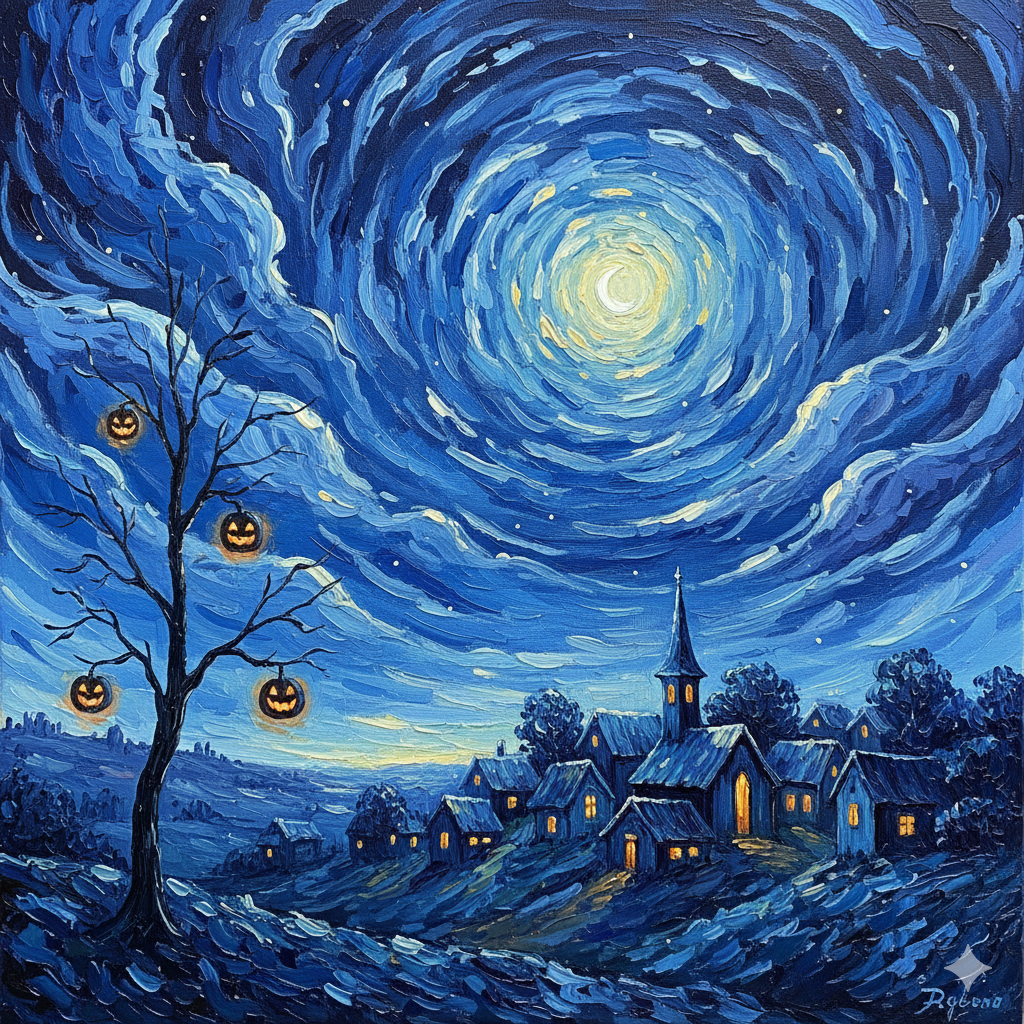
Vincent van Gogh wasn’t born with a paintbrush in his hand — he picked one up seriously at 27, sprinted like a comet for a decade, and burned a whole new groove into art history. If you want the short biography with the long feels, the museum dedicated to him has a terrific timeline: Vincent’s Life (Van … Read more

Episode 28: Paul Éluard — The Surrealist Who Wrote Freedom on the Wind

Paul Éluard didn’t just write poems — he slipped secret passwords into people’s pockets. Born Eugène Émile Paul Grindel in 1895, he helped invent Surrealism’s voice, then turned that voice into a bullhorn for resistance. If the movement had dream mechanics, Éluard was the guy who left the escape hatch open. Who is this artist? A French … Read more

Chains, Brains, and Blockspace: A Friendly Tour of Ethereum L2s, Solana, Bitcoin L2s, and Cosmos Appchains

Web3 overview: The internet’s makeover you can actually own If blockchains were cities, then Ethereum’s L2s are the commuter rails, Solana is a humming maglev, Bitcoin L2s are the high-security armored transit, and Cosmos is… that entire federation of bespoke towns that somehow share the same passport. Grab your digital metro card — let’s ride. Ethereum + … Read more

Episode 27: Mark Rothko — Rooms of Color, Rooms of Feeling

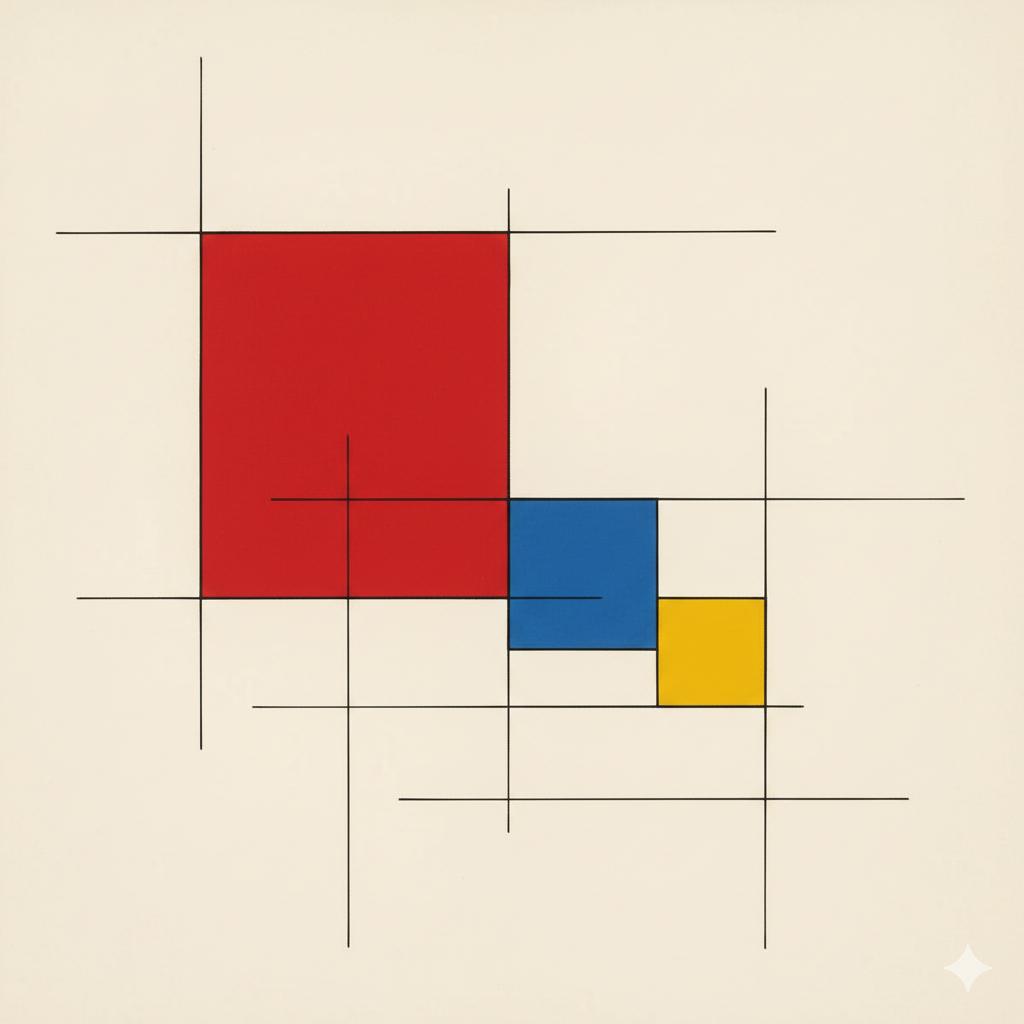
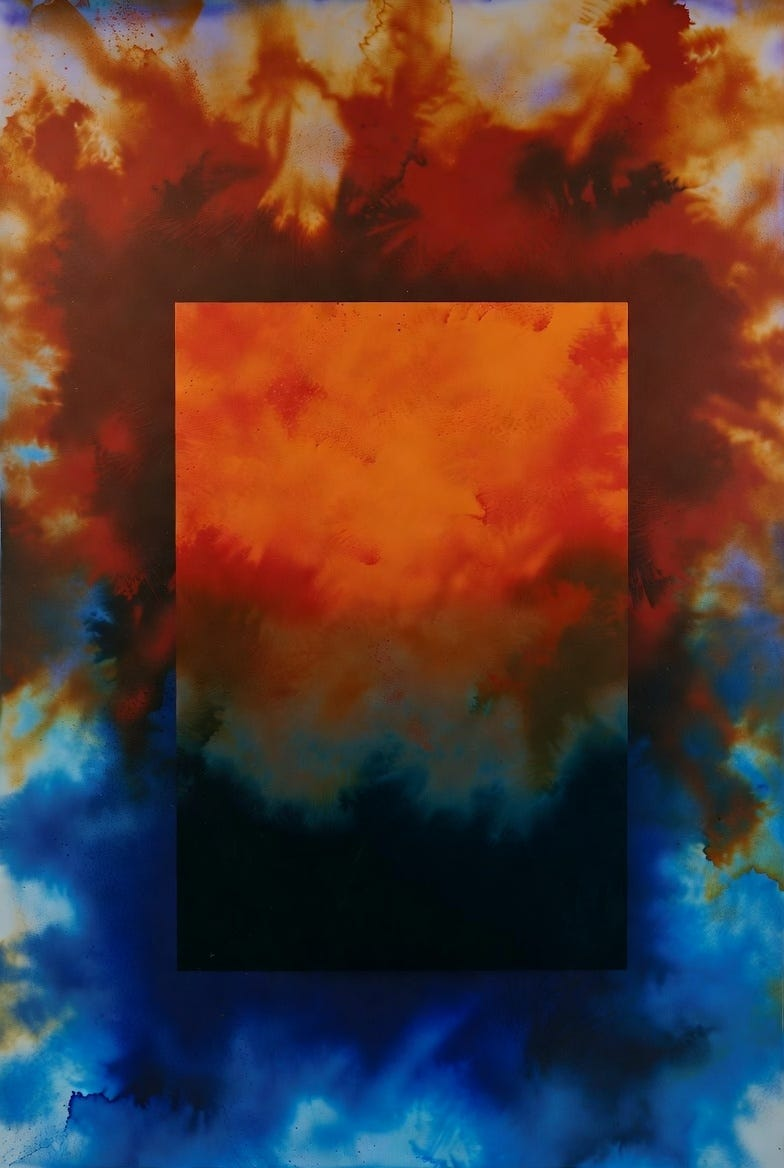
If painting had a “do not disturb” mode, it would look like a Rothko: vast, hovering fields of color that mute the world and crank your interior volume to 11. That’s the trick — almost nothing “happens,” yet somehow everything happens. Who is this artist? Born Marcus Rothkowitz in 1903 (in what is now Daugavpils, Latvia), he … Read more

Oops! The Museum of Magnificent Mistakes

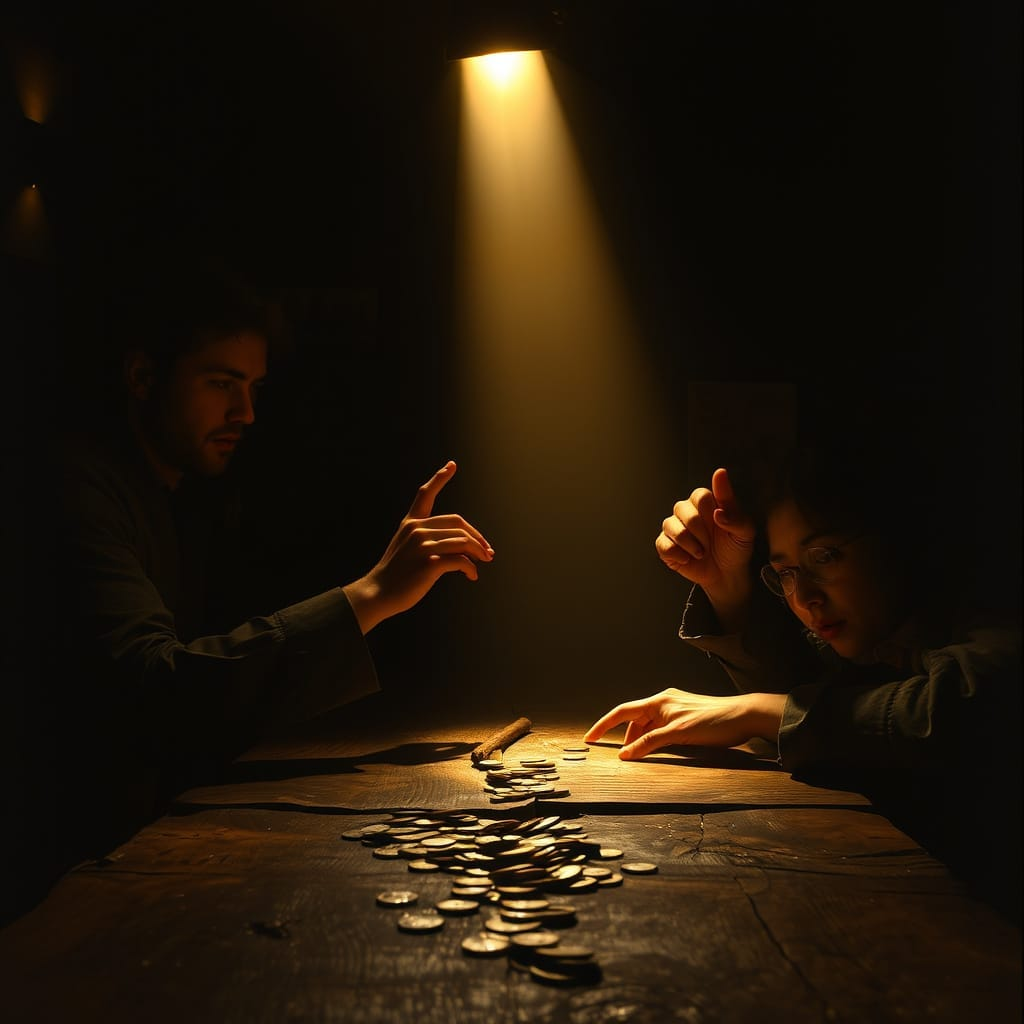
I once “optimized” a production server by deleting the folder that was, how to put this gently… the entire app. Nothing bonds a team like a spontaneous all-hands resurrection. In the spirit of “we’ve all borked something,” let’s tour some of history’s most spectacular faceplants. Laugh, learn, and maybe double-check before you hit delete. The … Read more

Episode 26: Roberto Matta — Cosmic Floor Plans for the Psyche

If Dalí painted dreams, Roberto Matta drafted the blueprints. Chilean-born, architect-trained, and Surrealist-certified, he turned inner weather into “inscapes” — vast psychic terrains where forms sprout, tunnel, splinter, and argue about physics. One look at The Vertigo of Eros (MoMA) and you can practically hear the space-time warranty voiding itself. Who is this artist? Roberto Sebastián Matta … Read more

Programming Languages vs. Scripting Languages: The Celebrity Beef That Isn’t

Let’s settle an ancient internet debate that has outlived floppy disks and low-rise jeans: what’s the difference between a “programming language” and a “scripting language”? Short answer: a vibe. Long answer: a vibe… plus history, runtimes, compilation, and the marketing department. The 60-Second Origin Story Back when computers were loud furniture, programming languages (think C, C++, … Read more