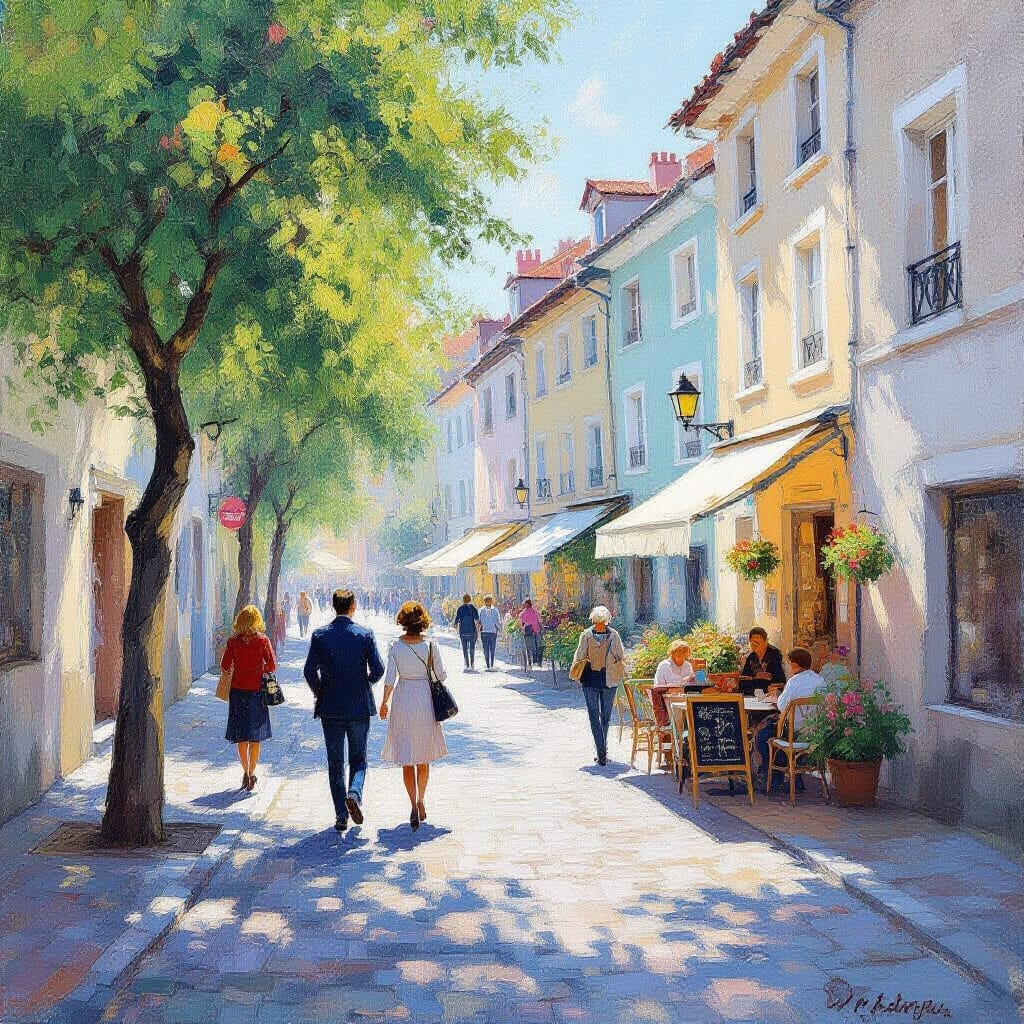

After twelve days — three soaking in Zurich and nine behind the wheel across Switzerland, Germany, France, and Luxembourg, logging 953 kilometers — we’ve finally landed in Konstanz. The car is gone, our legs are stretched, and the Rhine glides beneath our hotel window like a very calm exclamation point on this trip. Even better? The hotel handed us a pass that unlocks free local buses and trains. The German idea of “hospitality” really nails it.
A City Woven with Centuries
Konstanz isn’t just a pretty lakeside stop — it’s a time capsule. Established as Constantia in the first century AD, the town grew around Roman outposts before blooming into a medieval trading hub. Its greatest claim to fame? Hosting the Council of Constance (1414–1418), a four-year gathering that ended a 40-year papal schism. For a moment in history, Konstanz was Europe’s power center, drawing kings, clerics, and enough intrigue to fill an HBO series.
Unlike so many German cities, Konstanz escaped heavy bombing in WWII. The trick? Residents left lights on at night to make the city blend into neighboring Switzerland. That gamble saved its medieval Old Town, leaving streets where frescoed facades, cobbled alleys, and Gothic spires still whisper their stories.

By the Numbers
Today, Konstanz has around 85,000 residents, many of them students at the University of Konstanz, one of Germany’s most respected research universities. Its lakeside location makes it both a commuter town (for Swiss workers) and a lively hub of youthful energy. Add in a steady stream of international visitors and you get a city where academic debates, beer gardens, and lake ferries coexist beautifully.
What You Must See
- Altstadt (Old Town): A maze of narrow lanes where every corner reveals a medieval tower, baroque detail, or cozy café.
- Konstanz Münster (Cathedral): This Romanesque-Gothic giant dates back to the 11th century. Climb the tower for lake views that stretch to the Alps on a clear day.
- Imperia Statue: A rotating, 30-foot satire of the clergy and nobility from the Council of Constance. She spins once every four minutes — equal parts history lesson and cheeky art installation.
- Mainau Island: Known worldwide as the “Flower Island,” Mainau bursts with botanical displays curated by Swedish nobility. The tulips, roses, and dahlias here don’t just bloom — they perform.
What You Must Eat
- Bodensee Felchen: Whitefish fresh from Lake Constance, usually grilled with simple herbs.
- Käsespätzle: Think German mac-and-cheese, but silkier, creamier, and sprinkled with crispy onions.
- Apfelküchle: Apple rings fried in batter, dusted with sugar, and ideally eaten while pretending the lake breeze cancels out the calories.
Why Is Plain German Food Hard to Find?
Here’s the twist: Konstanz sits on the Swiss border, a stone’s throw from Austria, and welcomes thousands of international visitors every year. Its geography turned it into a cultural crossroads, and its food scene reflects exactly that. You’ll find Italian trattorias, Turkish kebab shops, Indian curry houses, and French patisseries around nearly every corner. Meanwhile, “classic” German dishes like bratwurst and sauerkraut are often tucked away in smaller taverns. Locals eat them, of course, but with students, commuters, and tourists shaping the demand, Konstanz leans cosmopolitan. If you want plain German fare, you’ll need to hunt beyond the tourist squares into the smaller Gasthäuser where menus are handwritten and beer arrives by the liter.

Why Mainau Island Shines
Owned by the Bernadotte family since the 19th century, Mainau is less an island and more a living art project. Every path is orchestrated so that something blooms in every season: orchids in winter, tulips in spring, roses in summer, dahlias in autumn. The butterfly house alone makes it worth the ferry ride — walking among clouds of wings feels like stepping into a watercolor.
Must-See Art
For a smaller city, Konstanz doesn’t disappoint. The Rosgartenmuseum, housed in a medieval butchers’ guild hall, displays regional art, religious woodcuts, and portraits that bring Lake Constance’s layered history to life. It’s part museum, part time machine.
Tidbits You’ll Want to Remember
- Cross-Border Quirk: Walk across a bridge and you’re suddenly in Kreuzlingen, Switzerland. Locals make the most of this proximity, hopping borders for shopping or dining.
- Lake Constance’s Reach: This is Europe’s third-largest lake, touching Germany, Switzerland, and Austria. The ferry network makes it feel like a natural highway on water.
- Summer Magic: In July and August, open-air concerts often take place by the harbor, with the lake itself acting as the stage backdrop.
The Rhythm of Konstanz
After the bustle of Zurich, the commerce of Frankfurt, the wine-soaked lanes of France, and the cobbled corners of Luxembourg, Konstanz is something different: a pause. Here, days unfold gently — morning markets, bike rides along the shore, ferry rides to neighboring towns, evenings sipping Riesling while the sun paints the lake gold. It’s not the climax of the trip but the exhale that makes the whole journey make sense.
And from here, we’ll head back to Zurich by bus, closing the loop on a trip that stitched together four countries, a thousand kilometers, and more stories than fit in one suitcase.
Art Prompt: A sunlit square opens into view, framed by pastel facades and bustling figures frozen mid-step. Gentle brushstrokes capture dappled light filtering through leaves, scattering across cobblestones alive with texture. Faces blur into soft impressions, yet the mood glows with warmth and vitality. The palette shimmers with luminous blues, creamy whites, and touches of rose — each stroke celebrating fleeting moments of ordinary life elevated into poetry.

Video Prompt: The camera drifts into a sunlit plaza where pastel facades shimmer in soft focus. Figures flicker in motion, their forms dissolving into brushstrokes as they move across cobblestones dappled with shifting light. Colors ripple and merge, transforming the ordinary bustle of a city square into a dreamlike dance of fleeting impressions. The scene glows warmly, fading as if memory itself painted it.
Songs to pair with the video:
- The Breeze — Dr. Dog
- Shadows — Warpaint
Follow for more travel stories and art explorations — and tell me: Have you ever found a city that felt less like a destination and more like a much-needed pause button?