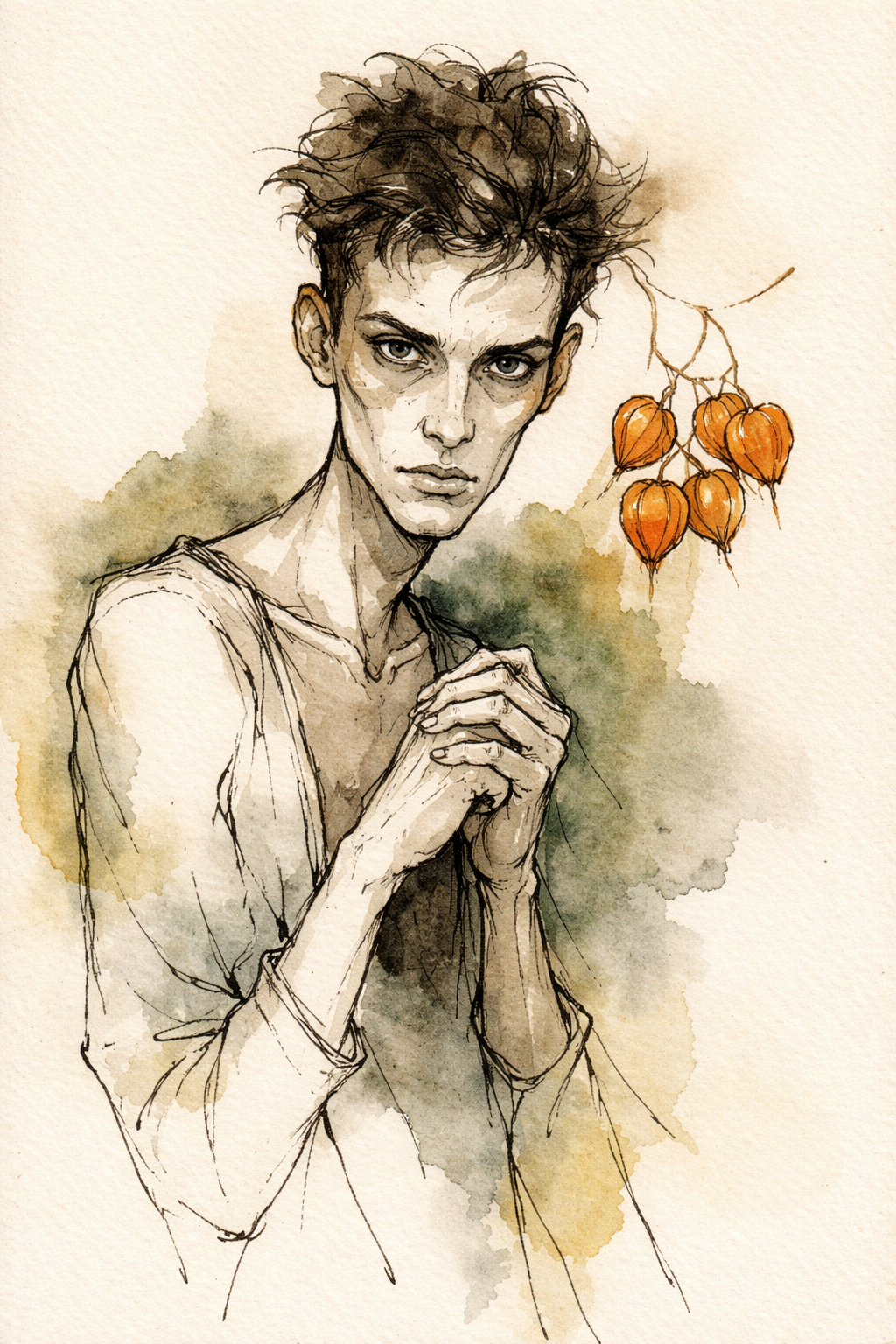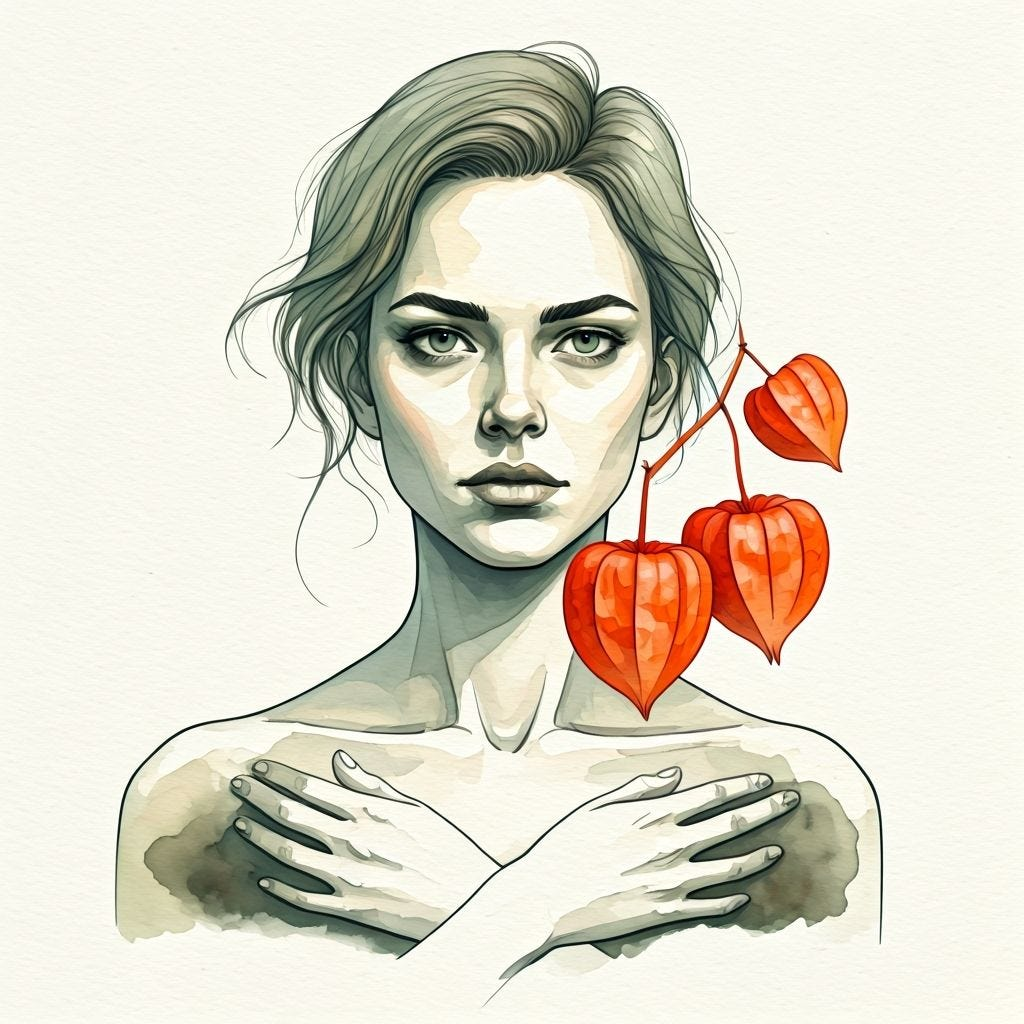
If you have ever looked at a drawing and thought, “Wow, that line has opinions,” congratulations: you are spiritually prepared for Egon Schiele.
Schiele was an Austrian painter and draftsman who lived fast, drew faster, and made sure nobody in the room got too comfortable. Born in 1890 and gone by 1918, he managed to cram an entire lifetime of artistic chaos into a timeline most of us would spend just trying to find the right shampoo. Britannica bio
Who is this artist?
Egon Schiele was a Vienna-era art rocket: a young, fiercely ambitious artist who became a major figure in Austrian Expressionism. He was obsessed with the human figure, especially the parts of it that feel awkward, fragile, tense, or emotionally loud.
Think of him as the guy who looked at a normal portrait and said, “Nice. Now make it feel like the subject just remembered something from childhood and it is not great.”
What is he known for?
Schiele is known for:
- Raw, emotionally charged portraits and self-portraits
- Figures with angular poses and an almost electric nervous energy
- A line style that can feel both elegant and mildly confrontational
- A career that sparked controversy because he did not exactly tiptoe around sexuality
His drawings can feel like you are making eye contact with someone who can see through your entire personality, plus your browser history, plus the thing you said in 9th grade that still haunts you. Guggenheim Bilbao overview
What is his style?
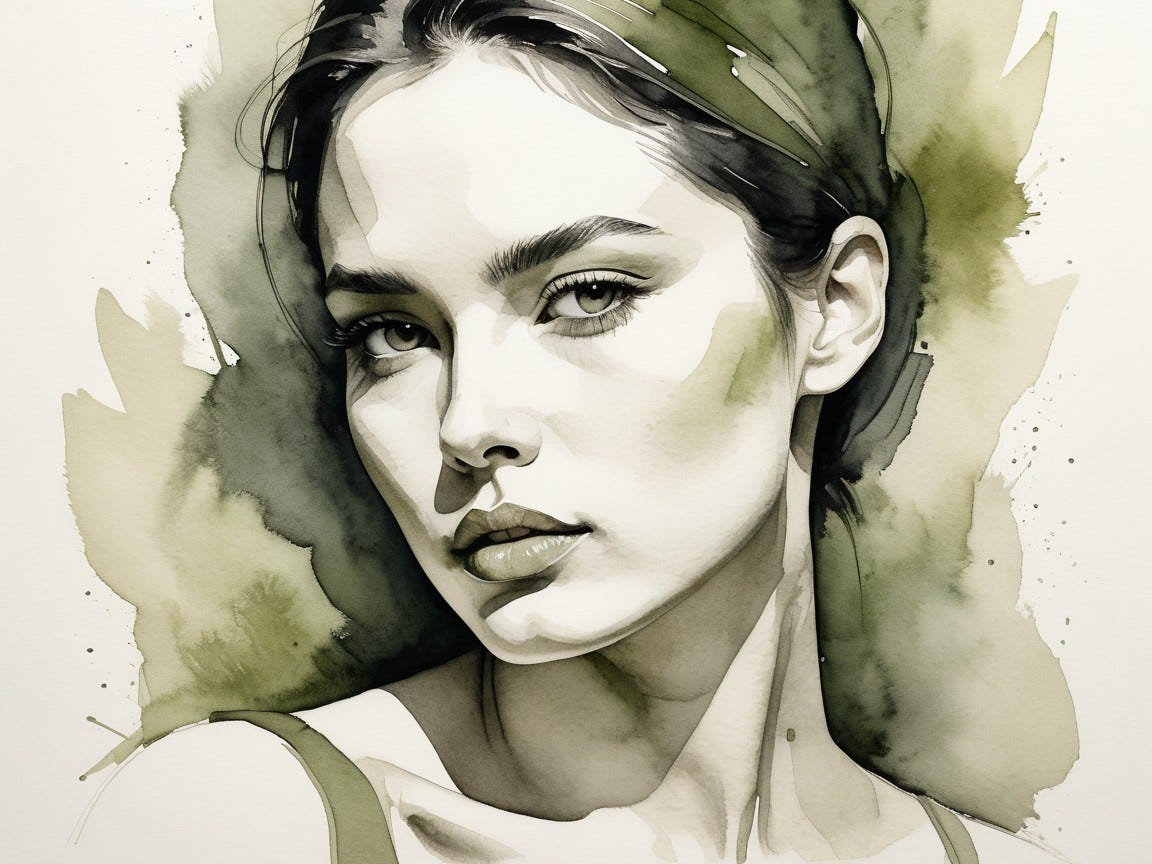
Expressionism, but not the “pretty drama” kind. More like:
- Sharp contours
- Long, tense limbs
- Compressed space
- Faces that look like they are thinking too hard
- A whole lot of psychological volume turned up to 11
He often left backgrounds minimal, which is artist-speak for: “I am not decorating. I am interrogating.”
Who taught him?
Formally, he studied at Vienna’s academy (and got frustrated with conservative training). Informally, his most important mentor connection was Gustav Klimt, who helped him early on by supporting his career and introducing him to collectors and circles that mattered. If Klimt was the famous older musician with industry connections, Schiele was the younger one who immediately released an album titled Please Do Not Perceive Me. MoMA publication (PDF)
Does he use any special technique?
His superpower was draftsmanship: expressive line + deliberate distortion.
He often used:
- Fast, confident contour lines
- Watercolor and gouache washes that feel like they were placed with intent, not prettiness
- Negative space as emotional pressure, not empty space
In other words, he could make a blank background feel like it is judging you.
Who has he worked with?
Schiele was closely connected to the Vienna art scene (the orbit around the Secession and modernist circles), and he interacted with patrons, galleries, and fellow artists through exhibitions. His most famous artistic relationship is that early mentorship link with Klimt, and then Schiele quickly became his own brand of unrepeatable.
Also: when your style is that unmistakable, “collab culture” becomes less of a thing, because people are still trying to recover.
Was he wealthy?
Not consistently. He had patrons and increasing recognition, especially later, but he also lived the classic young-artist financial experience: occasional success, uneven income, and constant hustle. The art world has always been very generous with praise and very cautious with rent money.
When was he most popular?
He gained serious traction while still very young, and his recognition rose notably in the years leading up to 1918. After his death, his reputation continued to grow, and today he is one of the best-known Austrian modern artists, with major museum collections and scholarship that keep expanding. If you are the kind of person who likes “late fame,” Schiele basically speedran it.
Tell me more, please
A few key flavors of Schiele, served fresh:
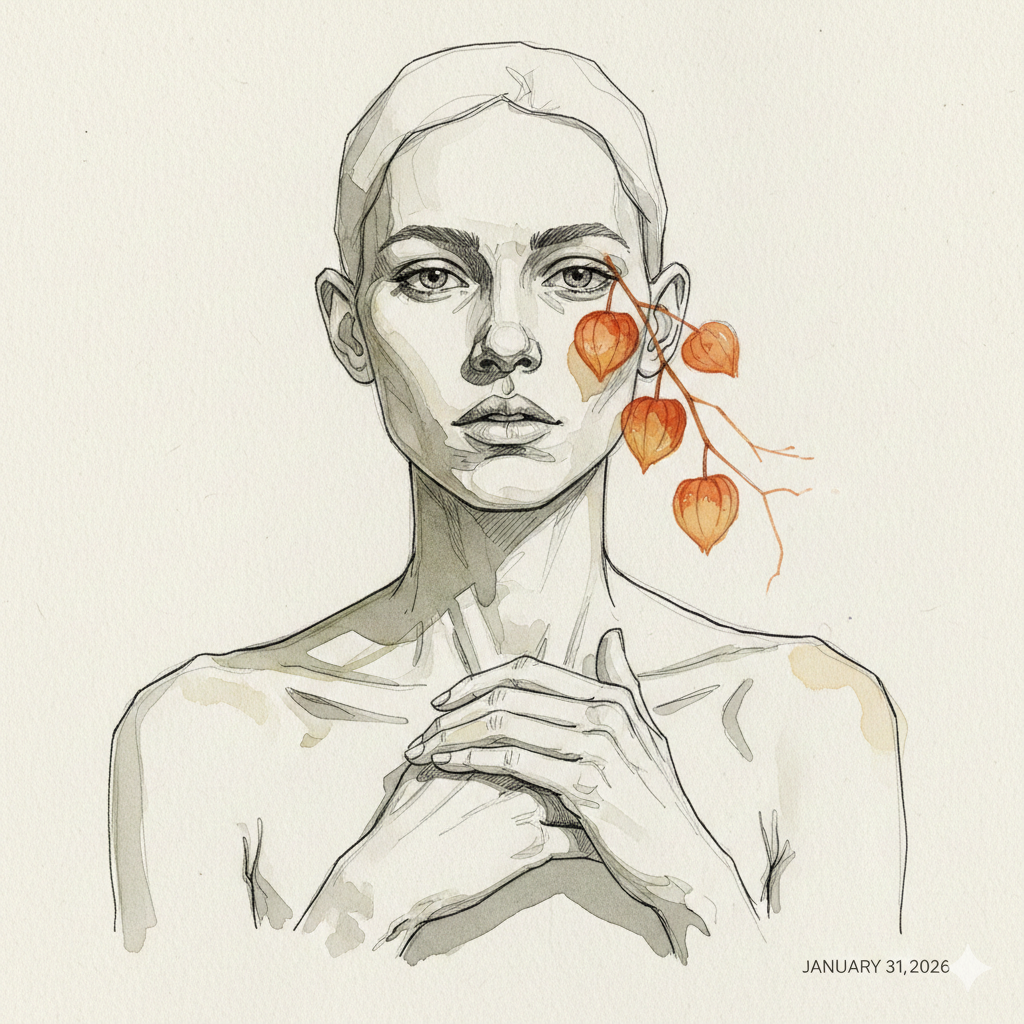
- The self-portraits: less “here is my face” and more “here is my entire nervous system.”
- The poses: bodies twisted into angles that feel emotionally true even when anatomically rude.
- The honesty: whether you love it or hate it, it is hard to accuse Schiele of playing it safe. He was not here to flatter you. He was here to expose you.
Anything else left to tell?
Yes: his work still lands with impact because it captures something timeless:
- how weird it feels to have a body,
- how loud thoughts can get inside your head,
- and how thin the line is between confidence and collapse.
Which is funny, because his literal lines are so thin. And yet they hit like a brick.
Any other interesting tidbits?
Schiele’s legacy is also wrapped up in ongoing museum research and changing interpretations of his life, relationships, and subject matter. The more archives get studied, the more complicated (and human) the story becomes. Leopold Museum Schiele collection
Join the conversation
What is your reaction to Schiele: fascinated, unsettled, or “please escort me back to Monet where the water lilies do not emotionally confront me”?
Drop your take in the comments, and follow me for more episodes in this series and more art-history chaos with a smile. If you want more writing like this, you can also find it here: More posts
Art Prompt (Expressionist Portrait)
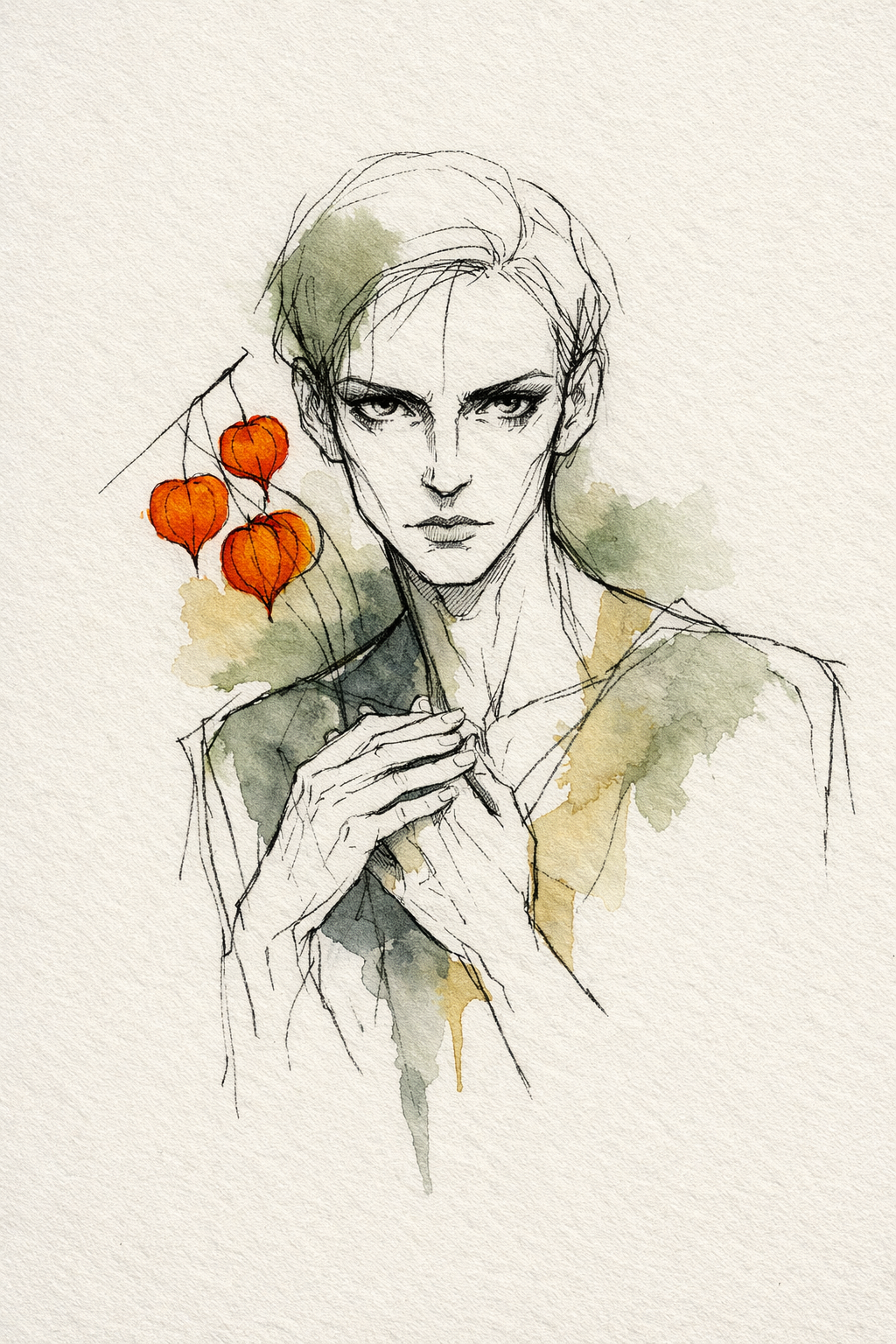
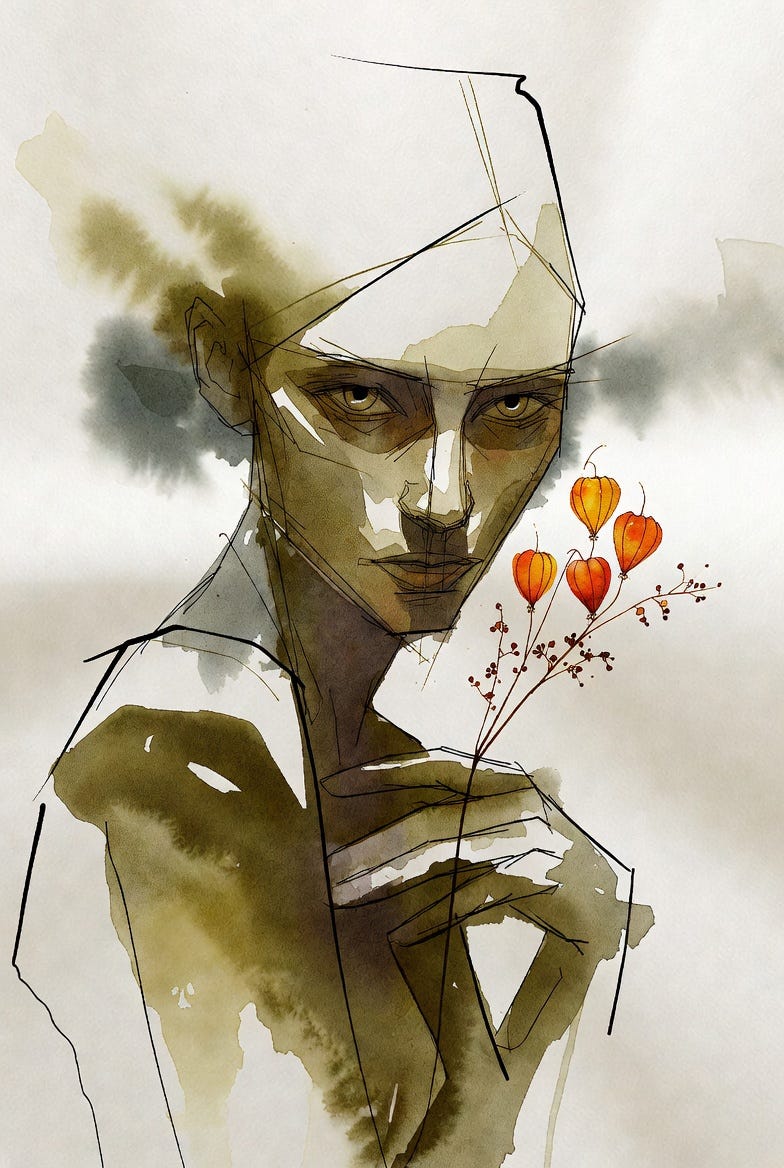
A minimalist portrait on textured off-white paper, featuring a single figure with an intense, direct gaze and sharply defined cheekbones. Use thin, assertive ink-like contour lines that feel nervous yet precise, with angular shoulders and expressive hands held close to the chest. Apply translucent watercolor washes in muted olive greens, smoky grays, and pale ochres, leaving large areas of negative space. Add a small cluster of vivid warm-orange lantern-like seed pods with delicate stems near the figure’s face, creating a striking color contrast. The overall mood should feel intimate, psychologically charged, and slightly uncanny, with a sparse background and an emphasis on line, tension, and presence.
Video Prompt
A moody, minimalist portrait animation on textured paper. Start with the image appearing as if it is being drawn in real time: thin ink contours sketch themselves in quick, confident strokes, followed by translucent watercolor washes blooming and drying organically. The figure’s gaze subtly shifts and refocuses, almost imperceptibly, while the hands make a tiny, tense adjustment. The warm-orange seed pods gently sway as if moved by a faint indoor draft, and their color pulses softly once like a quiet heartbeat. Add slight stop-motion jitter and paper-grain movement for tactile realism. Use slow camera push-ins, micro-zooms, and a final gentle pullback into wide negative space, ending on a still frame that feels emotionally loaded.
Songs for the video
- The Wolf — SIAMES
- Sisyphus — Andrew Bird