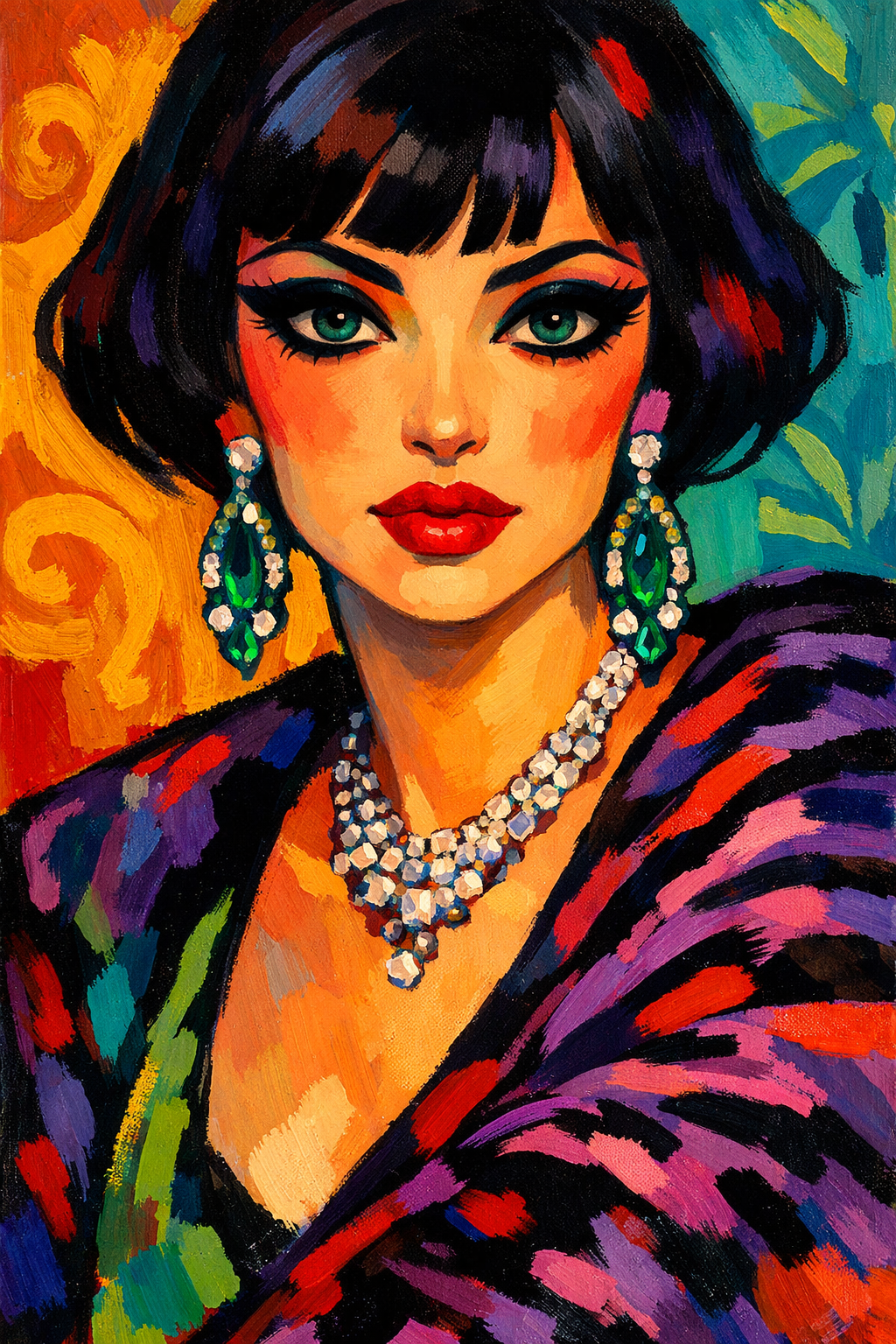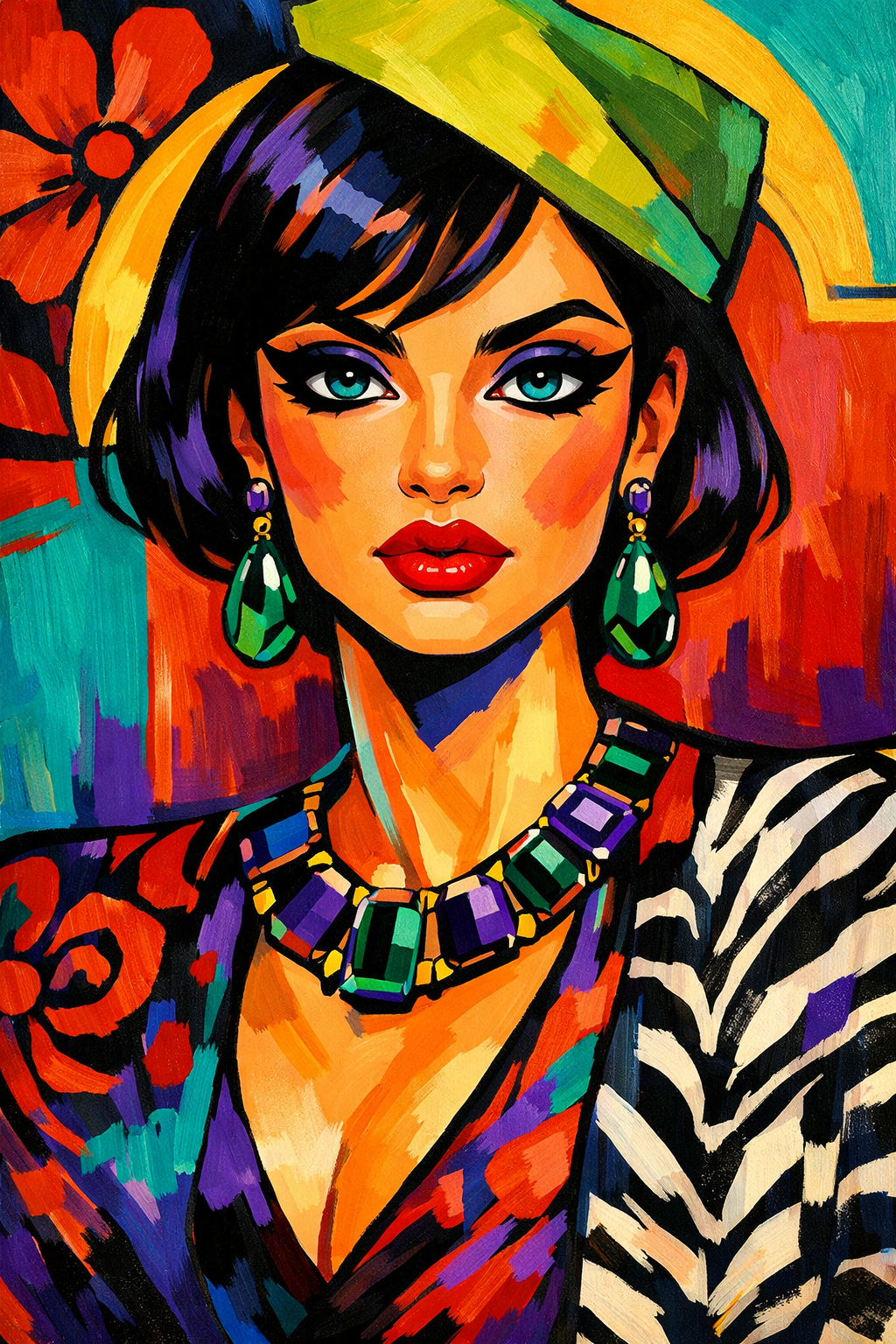
If Fauvism is the art world screaming, “TURN THE SATURATION UP, COWARDS,” then Kees van Dongen is the guy in the corner going, “Cool. Now make the eyes bigger. Bigger. BIGGER.”
He was born in the Netherlands, moved to Paris, got tangled up in the avant-garde, and then proceeded to paint his way through bohemian nightlife and eventually into the drawing rooms of the very rich. Not in a slow, polite way either. More like: kick the door in, paint the room hot pink, leave with a commission.
Who is this artist?
Kees van Dongen (1877–1968) was a Dutch-born painter who became a major figure in the Fauvist movement in France. He started out sketching life where it was loud, messy, and human, then evolved into a painter known for portraits that look like they were lit by a nightclub sign and judged by a fashion editor.
If you ever wanted proof that “high art” and “high drama” can share a couch, he is your guy.
What is he known for?
He is best known for stylized portraits of women that are bold, glamorous, and slightly dangerous in the way a perfectly applied red lipstick can feel like a threat.
His signature look:
- intense color
- simplified shapes
- dramatic features (especially the eyes)
- a vibe that says, “Yes, I am looking at you. No, you cannot handle it.”
And he did not paint people to be accurate. He painted people to be interesting.
What is his style?
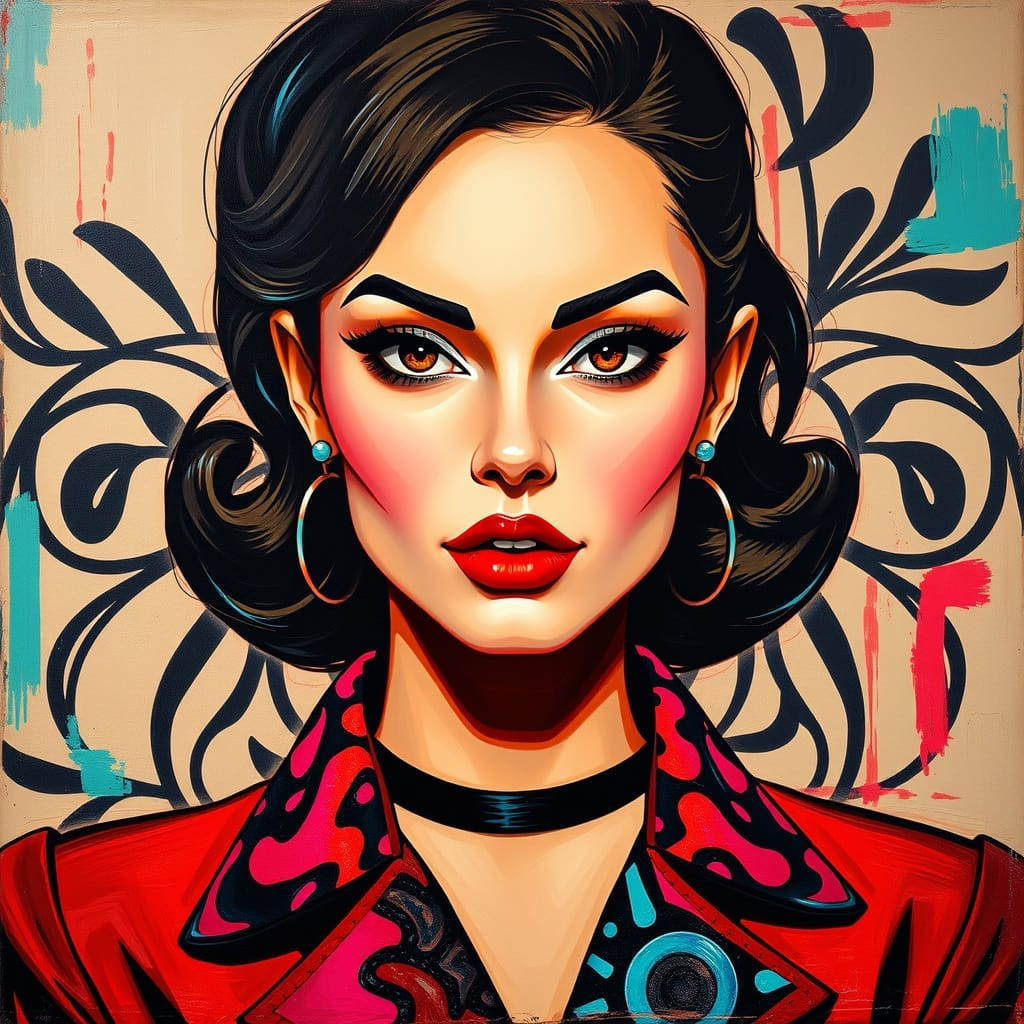
Van Dongen’s Fauvism leans less “sunlit landscape joy” and more electric portraiture and nightlife heat.
Think:
- strong, unblended color
- confident outlines
- faces reduced to essential attitude
- decorative patterns that flirt with fashion illustration
It is painting that knows exactly what it is doing and does not apologize for it.
Who taught him?
He trained at the Royal Academy of Fine Arts in Rotterdam, where he got the fundamentals. Then Paris did what Paris does: it replaced rules with late nights, new friends, and the constant temptation to reinvent yourself every five minutes.
You can learn technique in school. You learn swagger in Montmartre.
Does he use any special technique?
His “technique” is basically:
- simplify the form
- intensify the color
- amplify the attitude
He used bold contouring and strong color contrasts to make portraits feel iconic, almost poster-like, without losing the painterly touch. It is not realism. It is character design for real people, except the character is “wealthy, fabulous, and mildly unimpressed.”
Who has he worked with?
He moved in the Paris avant-garde scene and exhibited alongside major modern artists. He also became connected to influential dealers and circles that helped push his work outward, which is the polite art-history way of saying: he understood that talent is great, but being seen is better.
And yes, he was in the orbit of the big names of the era. Paris was basically one long group project where everyone pretended they were not networking.
Was he wealthy?
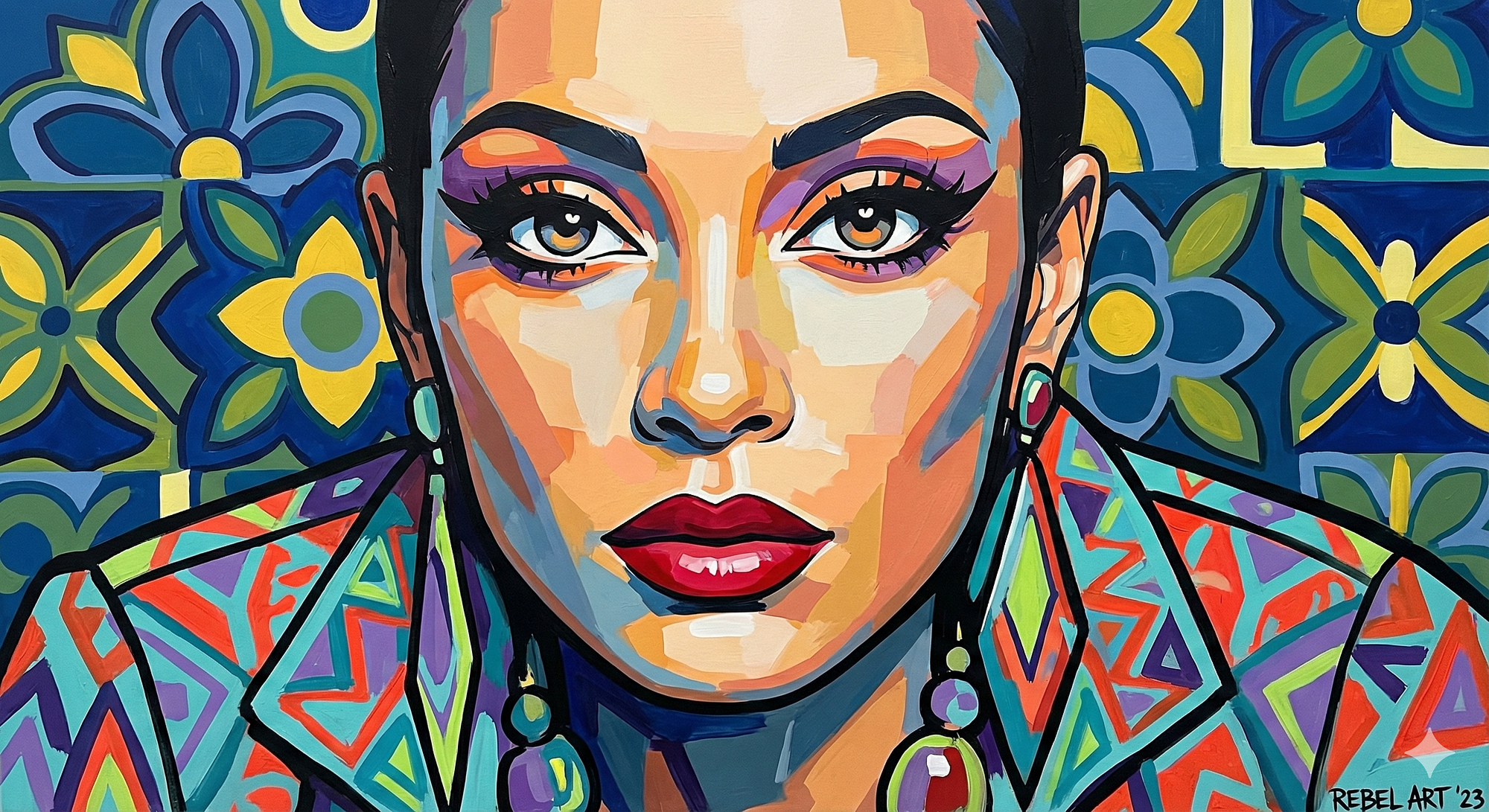
Eventually, yes. He became a fashionable portrait painter, and fashionable portrait painters tend to do just fine because rich people love two things:
- being admired
- being immortalized with better cheekbones than they actually have
Van Dongen delivered exactly that, with extra color and a little wink.
When was he most popular?
His most explosive, pivotal period is tied to the Fauvist years in the early 1900s, and his portrait popularity surged in the years around and after World War I when society portraiture became his lane.
In other words: he went from “wild modern troublemaker” to “the artist your friends brag about hiring.”
Tell me more, please
Here is the part I love: van Dongen’s portraits feel like they are doing double duty.
On one level, they flatter. On another level, they reveal the performance. The makeup, the jewelry, the posture, the stare. It is glamour, yes, but it is also a little bit of theater. A reminder that high society is basically cosplay with better catering.
And in that performance, van Dongen found his sweet spot: painting modern identity as spectacle.
Anything else left to tell?
Yes: he had quotes. Real quotes. The kind artists say when they are both honest and slightly chaotic. One of his most famous ideas is that painting is a beautiful lie, and honestly, you can feel that in his work. These portraits are not documentaries. They are curated myths, built with color.
Also, his early work included lots of drawing and illustration. He knew how to capture a scene quickly, which is exactly what you want if your subject might leave the party at any moment.
Any other interesting tidbits?
He is a perfect reminder that “pretty” and “serious” are not enemies. Van Dongen made portraits that look seductive and stylish, while still pushing modern color and form. He smuggled radical art ideas into polite living rooms. That is a skill.
If you have ever looked at a portrait and thought, “This person definitely has secrets,” congratulations, you understand van Dongen.
Follow me for more Artist Series episodes, and drop a comment: Would you rather be painted accurately, or be painted like a glamorous legend with suspiciously excellent bone structure?
More art: https://lumaiere.com More posts: https://blog.lumaiere.com Mirror version: https://medium.com/@DaveLumAI
References
Kees van Dongen overview: https://www.britannica.com/biography/Kees-van-Dongen
RKD book page: https://www.rkd.nl/en/knowledge-publications/books/kees-van-dongen-de-weg-naar-succes
Additional biography details: https://en.wikipedia.org/wiki/Kees_van_Dongen
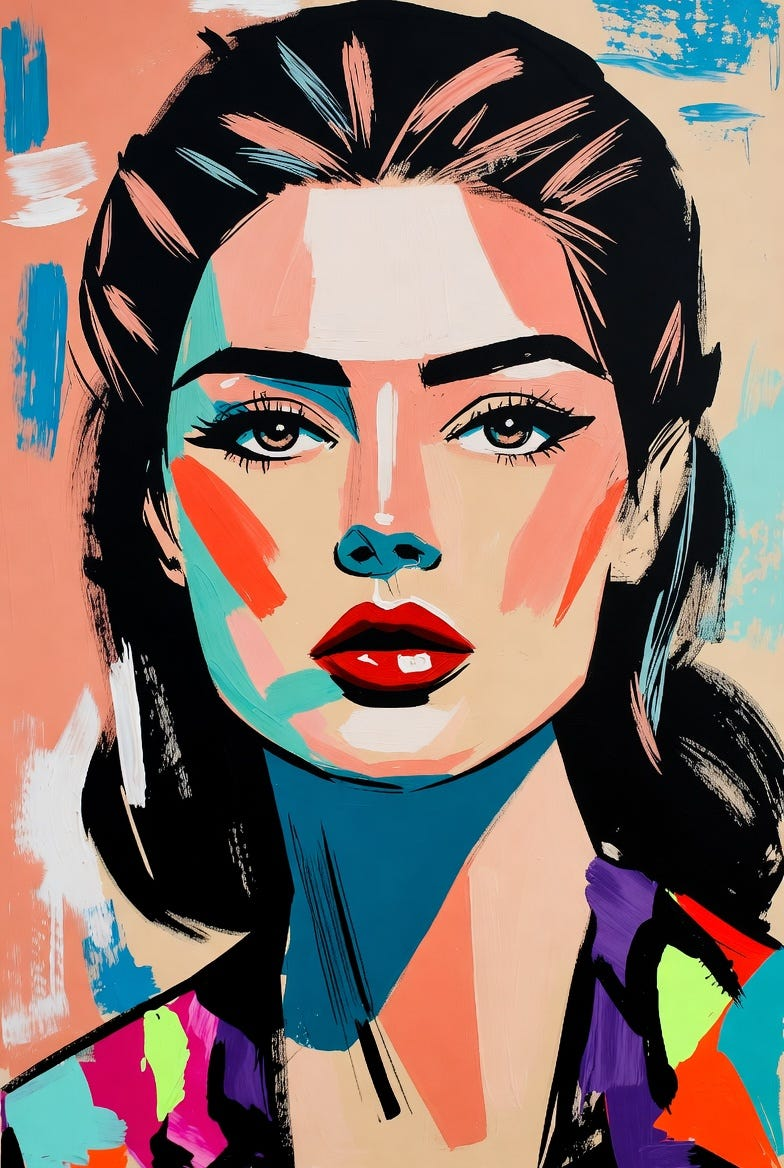
Art Prompt (Fauvist Portrait): A bold, modern portrait painting of a stylish woman posed front-facing against a simplified, decorative background. Use intense, high-contrast color with clean, confident contour lines and large, expressive eyes that dominate the face. The skin tones are stylized rather than realistic, with warm peaches and cool shadows placed in flat, deliberate shapes. Her lips are saturated crimson, and her eyeliner is sharp and graphic. The clothing features dramatic patterns and jewel-toned accents, with hints of turquoise, vermilion, violet, and acid green. The brushwork is assertive but controlled, with areas of smooth color interrupted by lively strokes to keep the surface energetic. The overall mood is glamorous, slightly provocative, and unmistakably modern, like a fashion poster painted by a rebel.
Video Prompt: Animate the bold portrait into a short, looping sequence: the camera slowly pushes in toward the subject’s oversized, expressive eyes while the decorative background patterns subtly drift and morph like moving wallpaper. Her jewelry catches light in rhythmic sparkles, and the saturated colors pulse gently in time, as if the whole canvas is breathing. Add a smooth parallax effect between face, clothing, and background to create depth. The subject’s expression shifts almost imperceptibly from calm to sly confidence, with a tiny head tilt and a micro-smile. Keep motion elegant and hypnotic, with crisp contours and vibrant, high-contrast color throughout.
Song Recommendations for the Video:
- Empire Ants — Gorillaz
- Running Up That Hill — Kate Bush