Episode 31: Pablo Picasso — Cubes, Bulls, and the Audacity of Reinvention
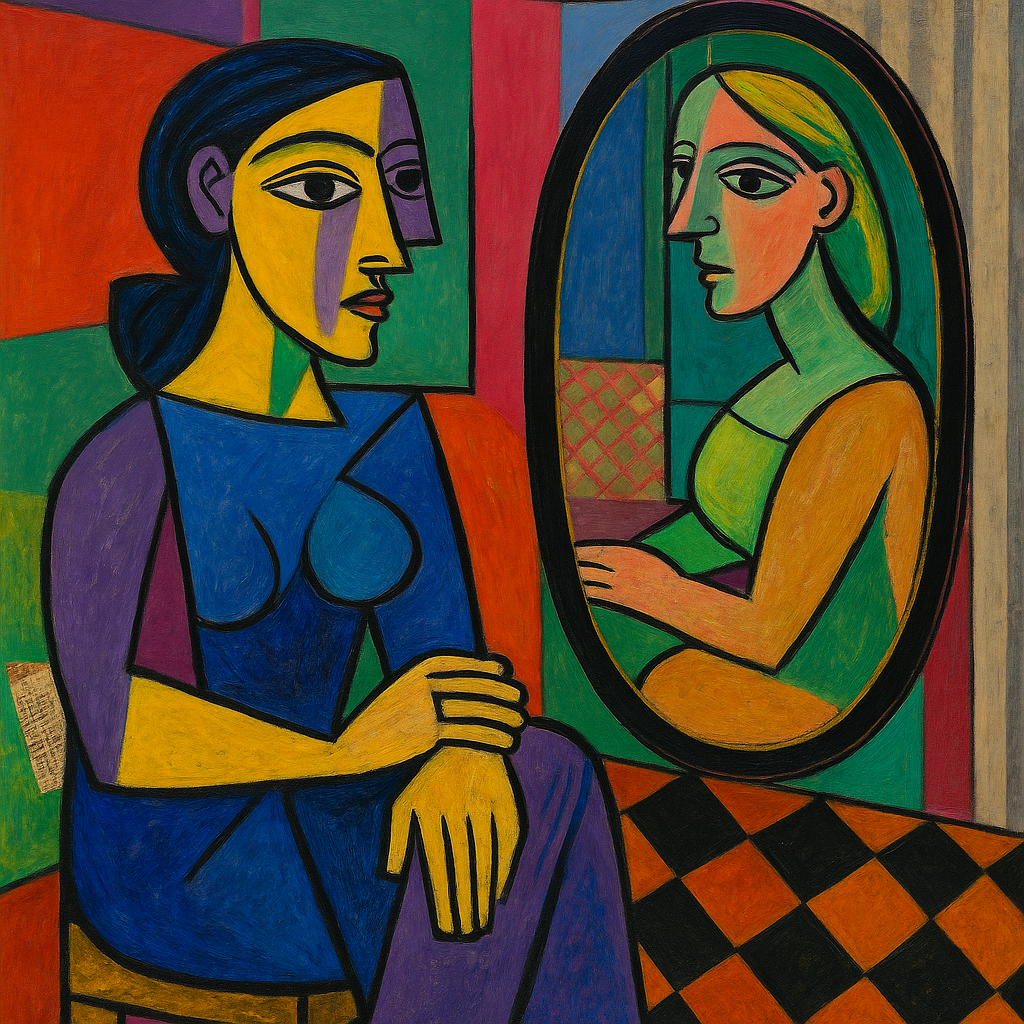
Who was this artist? A malagueño prodigy who outdrew adults before he could tie a tie, who moved from Barcelona to Paris and then proceeded to bend the 20th century like a wire sculpture. He signed “Picasso,” but he started life as Pablo Ruiz; the brand wasn’t born — it was sharpened. For a brisk bio and … Read more
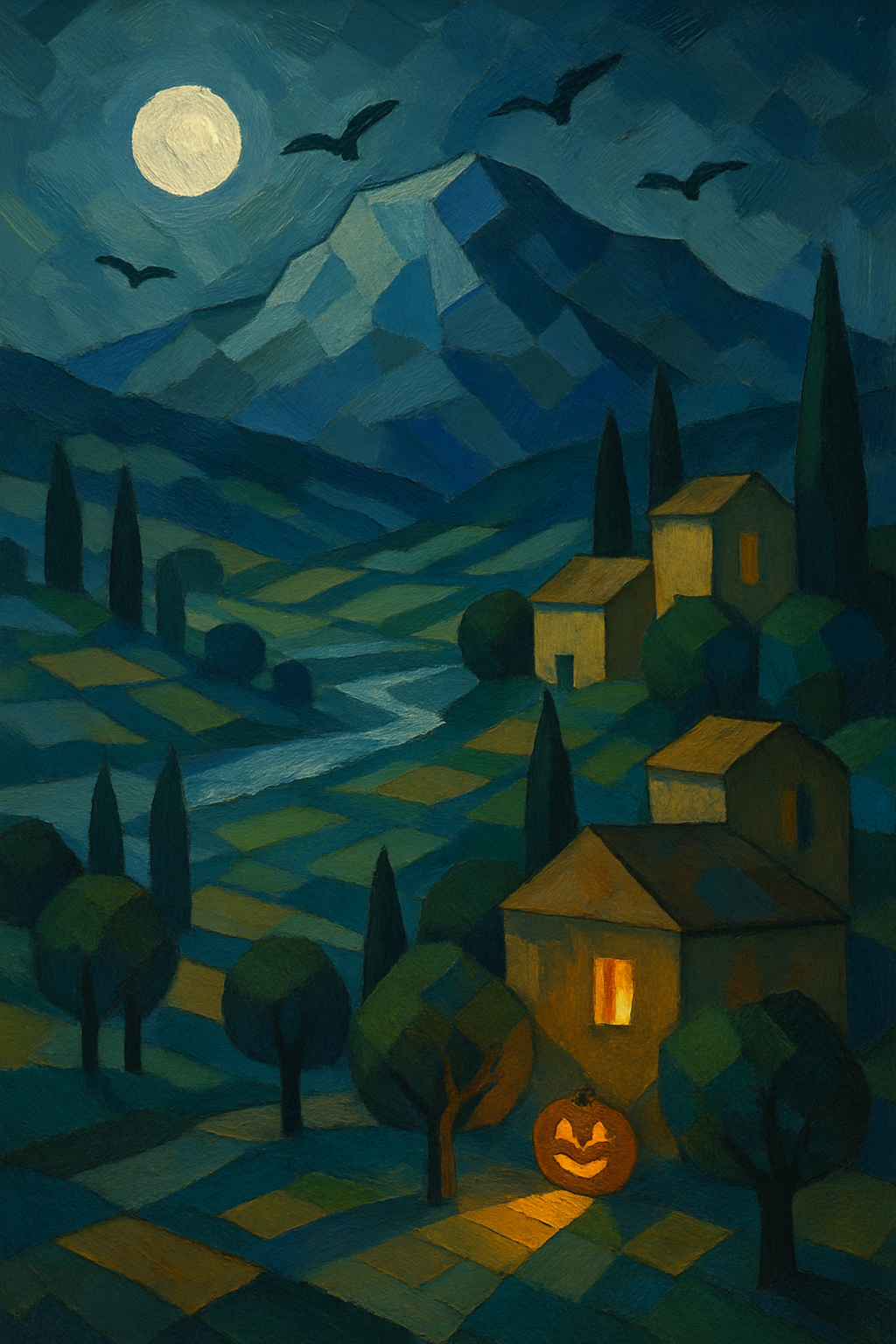
Episode 30: Paul Cézanne — The Quiet Earthquake That Shook Modern Art

Paul Cézanne is the painter who looked at apples, mountains, and bathers and quietly muttered, “I can rebuild you.” He didn’t chase stardom; he rebuilt painting from the inside out — one blocky brushstroke, one tilted tabletop, one stubborn apple at a time. If Impressionism caught the sparkle of a passing moment, Cézanne asked: what if we … Read more

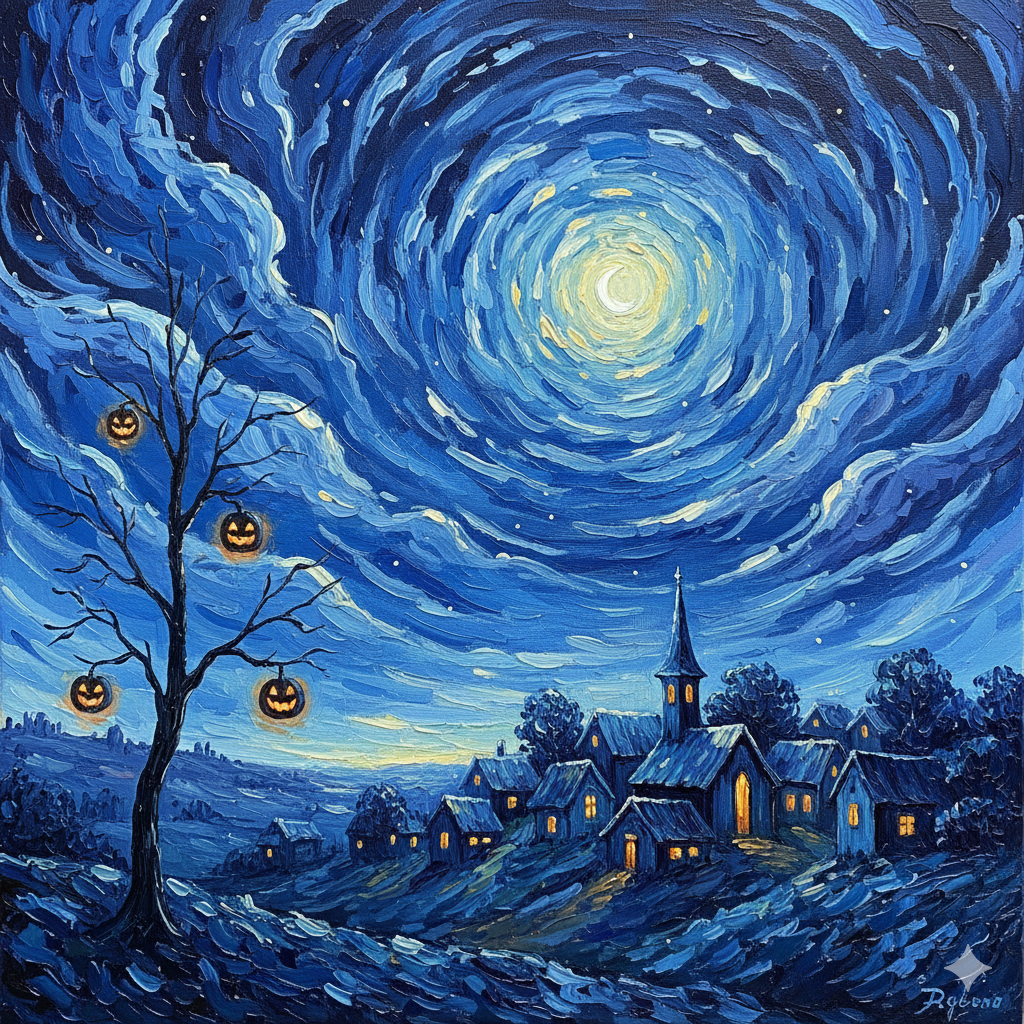
Episode 29: Vincent van Gogh — Swirls, Sunflowers, and Stardust Nerves

Vincent van Gogh wasn’t born with a paintbrush in his hand — he picked one up seriously at 27, sprinted like a comet for a decade, and burned a whole new groove into art history. If you want the short biography with the long feels, the museum dedicated to him has a terrific timeline: Vincent’s Life (Van … Read more

Episode 28: Paul Éluard — The Surrealist Who Wrote Freedom on the Wind

Paul Éluard didn’t just write poems — he slipped secret passwords into people’s pockets. Born Eugène Émile Paul Grindel in 1895, he helped invent Surrealism’s voice, then turned that voice into a bullhorn for resistance. If the movement had dream mechanics, Éluard was the guy who left the escape hatch open. Who is this artist? A French … Read more

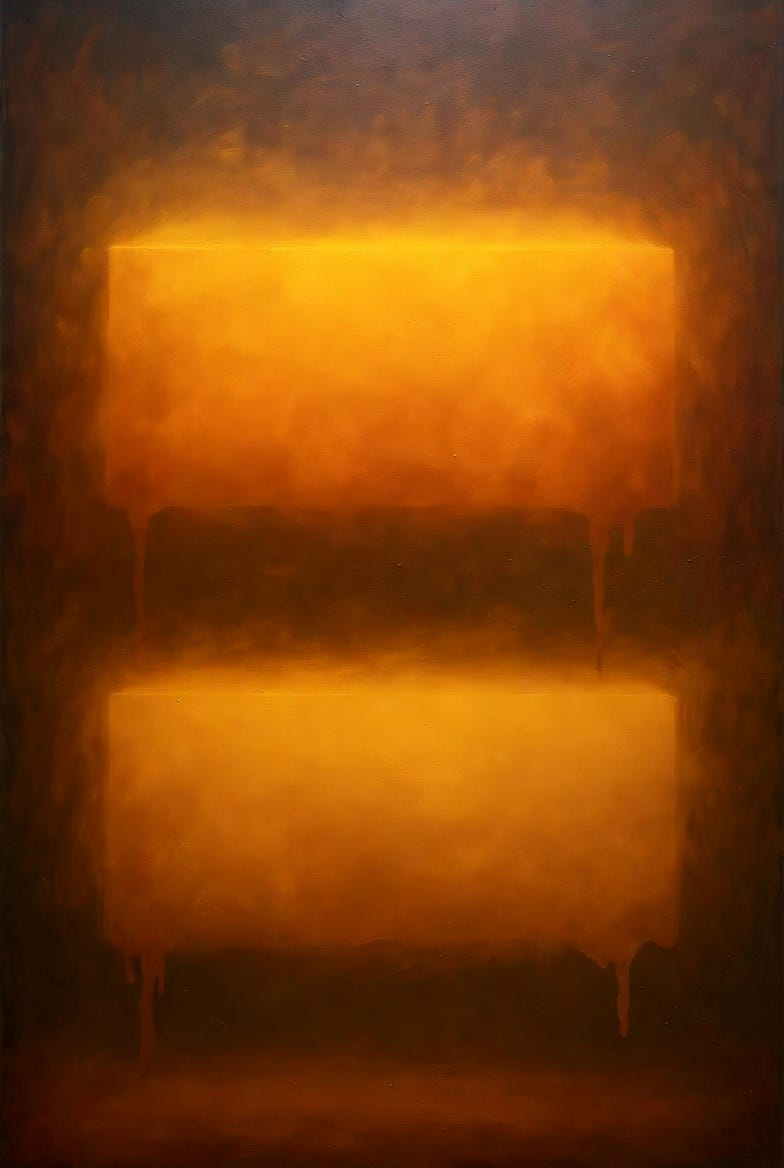
Episode 27: Mark Rothko — Rooms of Color, Rooms of Feeling

If painting had a “do not disturb” mode, it would look like a Rothko: vast, hovering fields of color that mute the world and crank your interior volume to 11. That’s the trick — almost nothing “happens,” yet somehow everything happens. Who is this artist? Born Marcus Rothkowitz in 1903 (in what is now Daugavpils, Latvia), he … Read more

Episode 26: Roberto Matta — Cosmic Floor Plans for the Psyche

If Dalí painted dreams, Roberto Matta drafted the blueprints. Chilean-born, architect-trained, and Surrealist-certified, he turned inner weather into “inscapes” — vast psychic terrains where forms sprout, tunnel, splinter, and argue about physics. One look at The Vertigo of Eros (MoMA) and you can practically hear the space-time warranty voiding itself. Who is this artist? Roberto Sebastián Matta … Read more

Episode 25: Joan Miró — Biomorphic Daydreams and the Acrobatics of Simplicity

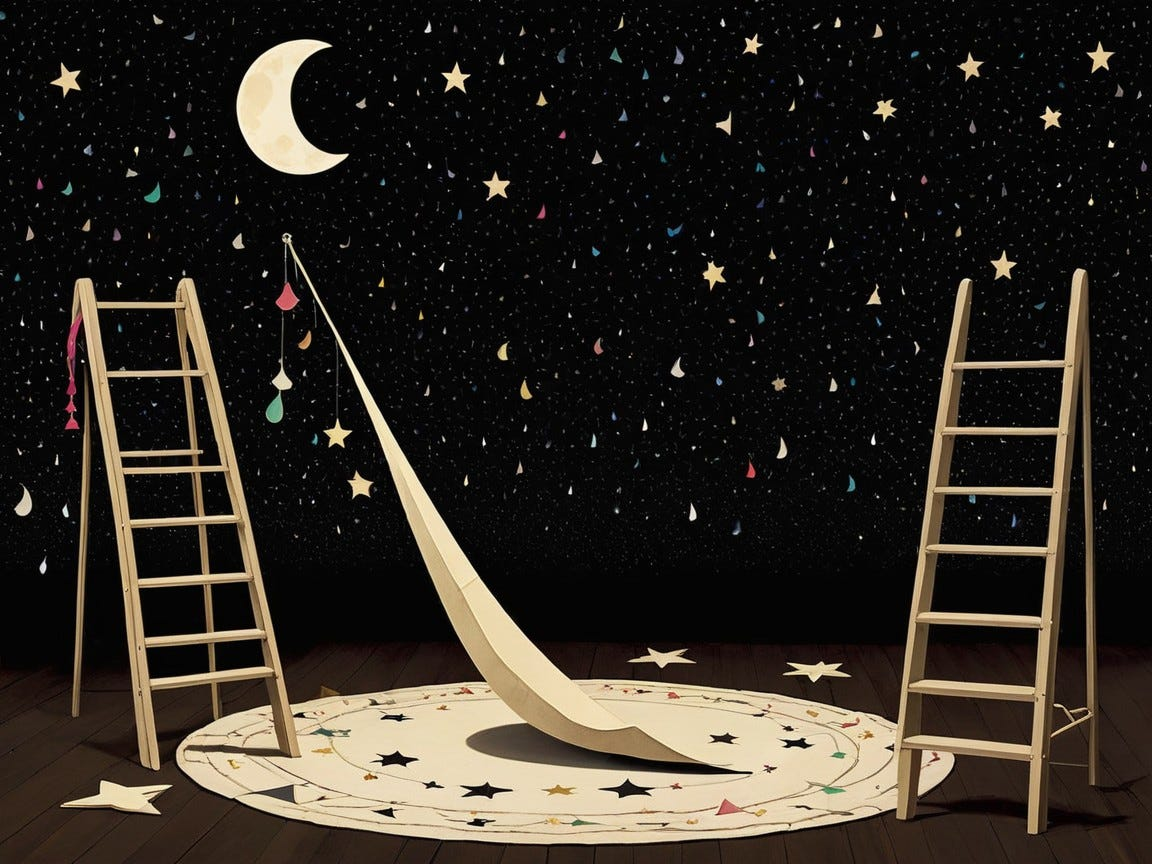
Joan Miró did not paint pictures so much as he invented a personal alphabet and then taught it how to dance. Born in Barcelona in 1893 and long faithful to Catalonia’s colors and symbols, he moved between Mont-roig, Paris, and later Mallorca, building a language of signs — eyes, stars, ladders, moons — that feels childlike until it suddenly … Read more

Episode 24: Kay Sage — Blueprints for the Unconscious

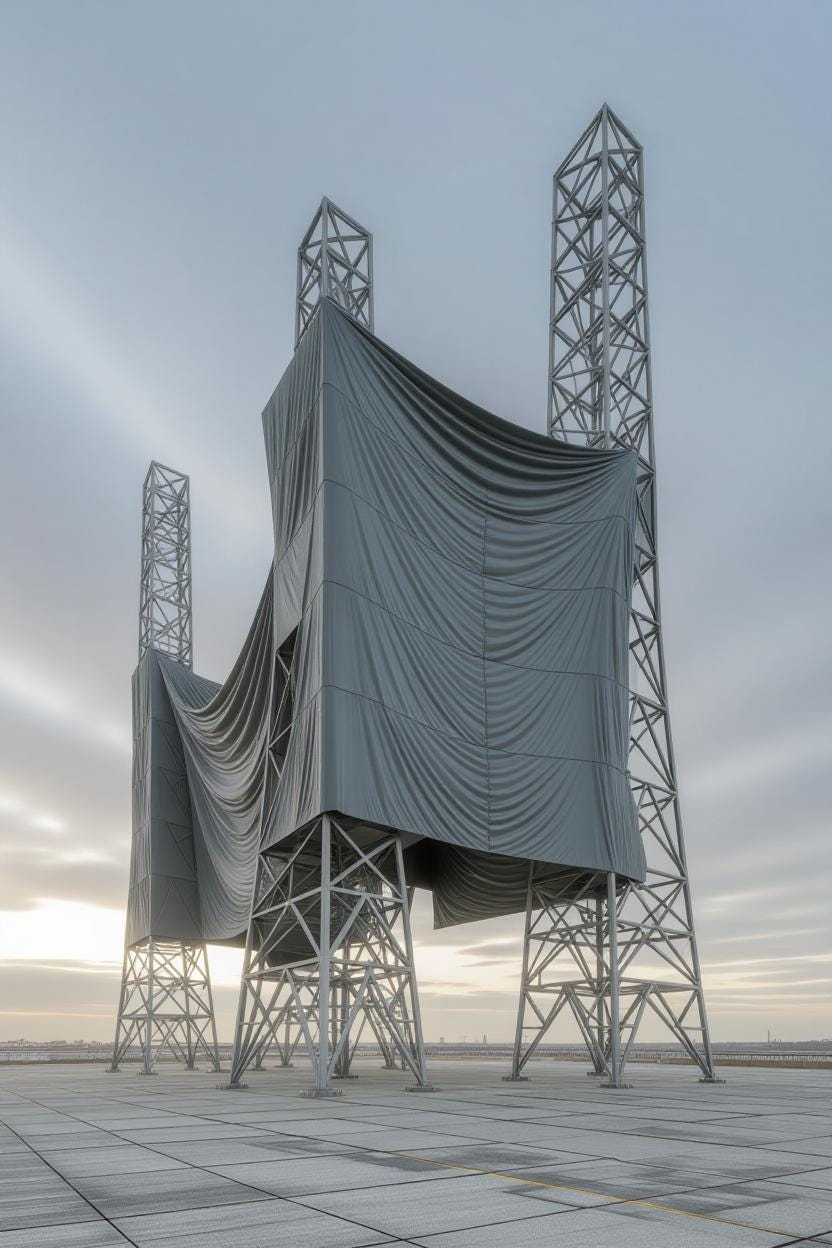
If Surrealism is a fever dream, Kay Sage is the structural engineer who calmly walked in with scaffolding and said, “Let’s give those anxieties a proper skyline.” American-born, Europe-tempered, and precision-obsessed, Sage built melancholic stage sets of the mind: latticed towers, tarpaulin-draped forms, and roads that lead somewhere and nowhere at once. Her worlds look … Read more

Episode 23: André Breton — The Guy Who Turned Daydreaming into a Job Description

If Surrealism were a circus, André Breton would be the ringmaster with a pocketful of dream keys and a strict “no boring allowed” policy. He didn’t just lead the movement — he branded it, defined it, and, when needed, rebooted it with another manifesto and a side of friendly feuds. He’s the reason “the unconscious” went from … Read more

Episode 22: Georgia O’Keeffe — Make It Big, Make It Bold, Make It Bloom

Georgia O’Keeffe didn’t whisper; she turned the volume knob until flowers, bones, and skies filled your entire field of vision. Born on a Wisconsin dairy farm and determined to become an artist by graduation, she grew into a defining force of American modernism — equal parts rigor and rebellion. If you’ve ever stared at a single petal … Read more