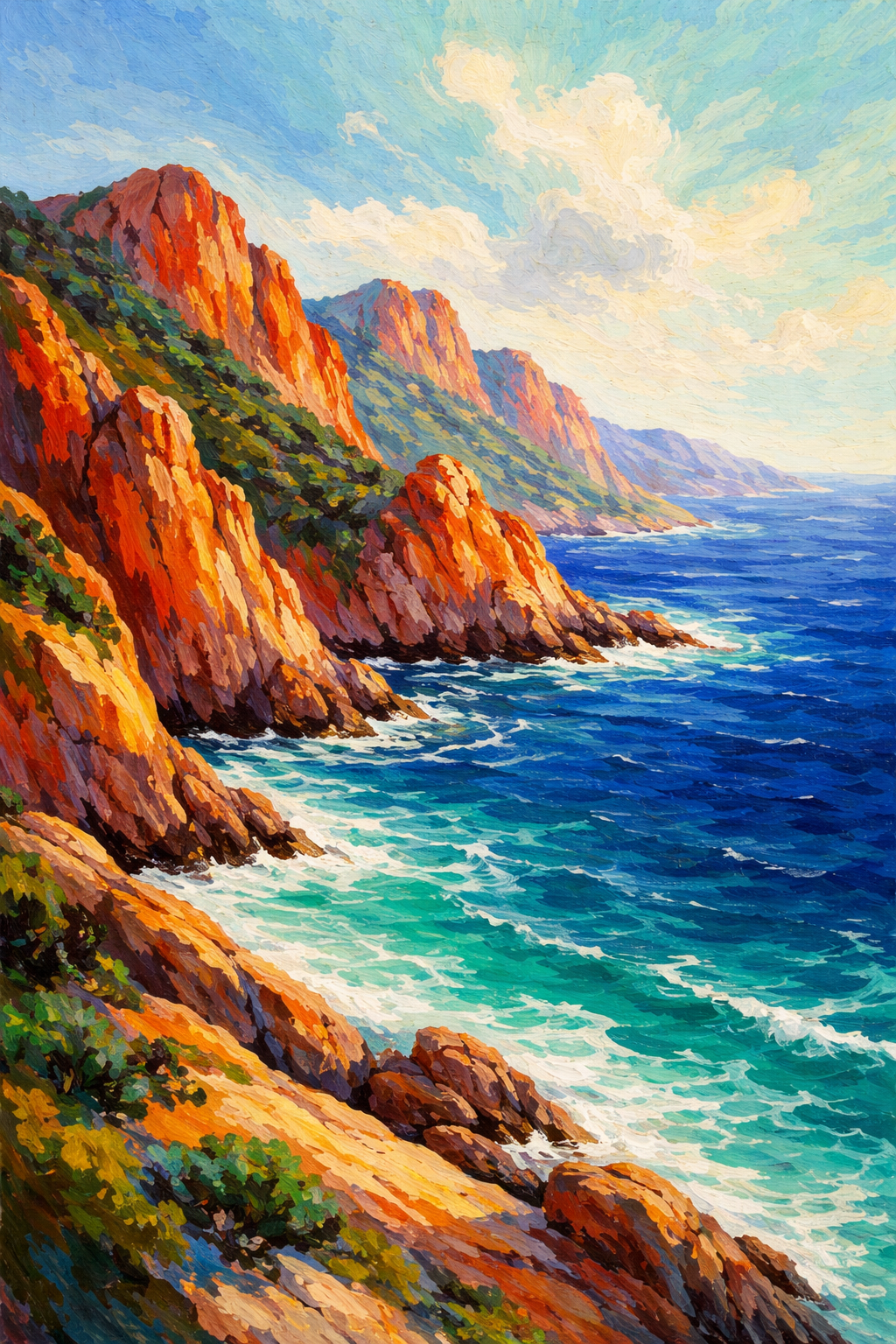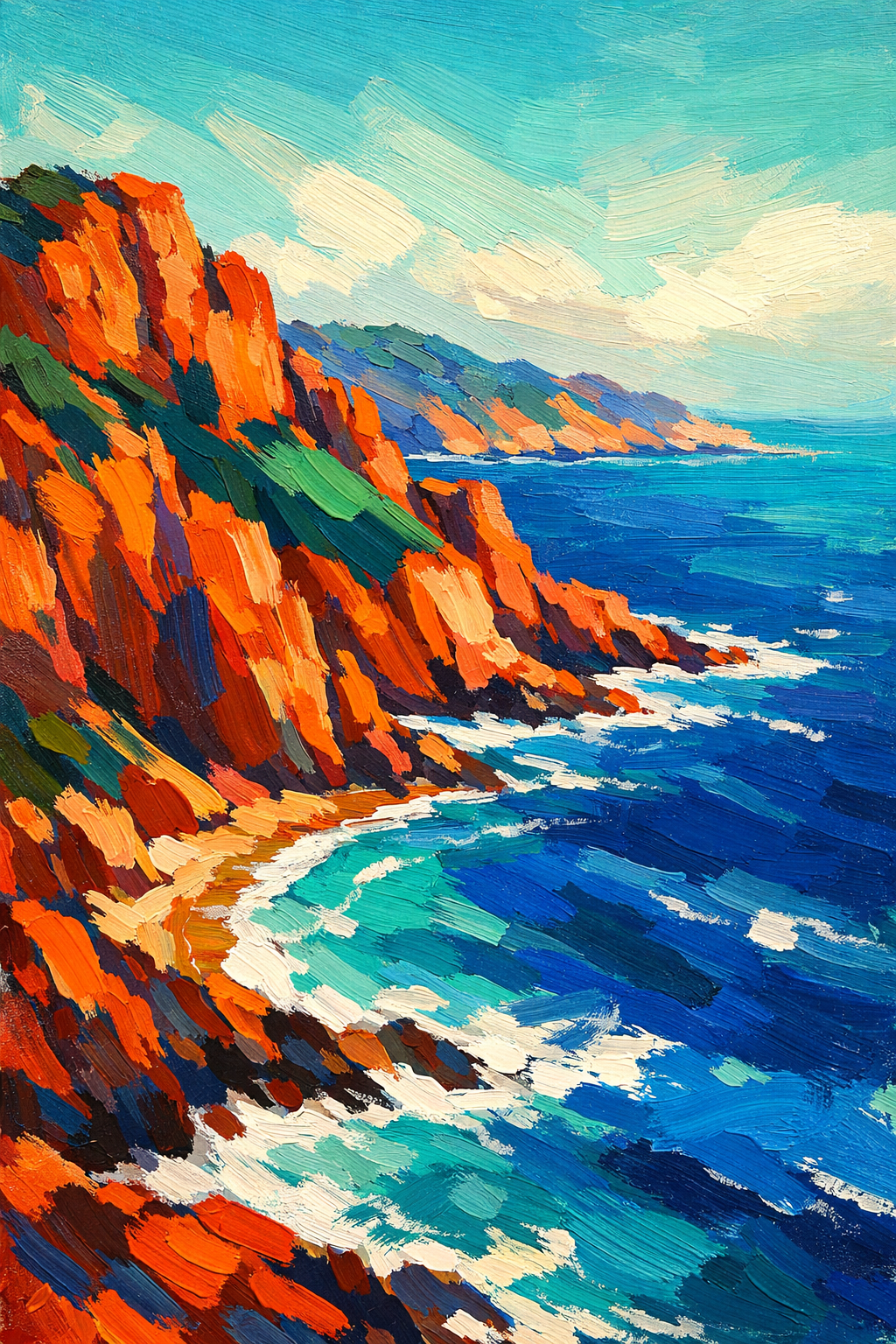
If Fauvism is the art-world equivalent of turning the saturation slider up until your monitor begs for mercy, Othon Friesz is the guy who helped crank it… and then later decided, Actually, I would like my brushstrokes to have indoor voices sometimes.
He is Episode 42 in our artist series, and he is proof that you can be a founding member of the Color Riot Club and still grow up into someone who organizes their paint tubes by mood.
Who is this artist?
Othon Friesz (1879–1949) was a French painter from Le Havre, a port city where ships, weather, and big sky energy basically force you to develop opinions about light. He studied art locally, then headed to Paris, got swept into the early-1900s creative fever dream, and helped shape what we now call Fauvism. A tidy museum overview of his early circle and context lives here: MuMa Le Havre: Yacht Basin at Sainte-Anne, Antwerp.
What is he known for?
Two things, mainly:
- Peak Fauvist color and punchy, energetic landscapes that feel like nature just drank three espressos.
- A later pivot toward structure and restraint where you can practically hear him muttering, “Okay, okay, the color can still be bright, but could we also maybe have a plan?”
In other words: he did the loud phase and the thoughtful phase, like a perfectly normal human, except his loud phase is hanging in museums.
What is his style?
During his Fauvist years, expect:
- Bold, non-naturalistic color
- Simplified forms
- Rhythmic brushwork that looks like it is mid-dance
- A sense that the landscape is alive and slightly mischievous
If you want a quick grounding on the overall Fauvist vibe (and why it happened), this is a solid reference: The Art Story: Fauvism.
Later in life, Friesz cools the palette and tightens the composition. The energy stays, but it gets channeled, like someone swapping out a chainsaw for a very sharp chef knife.
Who taught him?
He trained in Le Havre first (where he formed his early artist friendships), and later studied in Paris at the École des Beaux-Arts under academic instruction. One clean, consolidated biography that covers the arc is here: Art UK: Othon Friesz.
Does he use any special technique?
Not a single gimmick. No secret paint brewed under a full moon. No “one weird trick” that museums do not want you to know.
His real superpower was how he organized color and structure:
- In the Fauvist period, color carries emotion and momentum more than realism.
- In the later period, you can feel him building paintings like architecture: big forms first, calmer harmonies, sturdier shapes.
Think less “special technique” and more “serious painter making serious decisions, sometimes while the paint is still screaming.”
Who has he worked with?
This is where the Le Havre squad matters. Friesz was close with Raoul Dufy and Georges Braque early on, and they exhibited and organized in overlapping circles (including the Cercle de l’Art Moderne scene mentioned in the MuMa reference above). He also moved in the same Paris ecosystem as other Fauves and modernists, because Paris at that moment was basically an all-you-can-eat buffet of art movements.
Was he wealthy?
If you are looking for “private island, diamond-encrusted palette knives,” no. Like many artists of his era, he had periods of recognition and institutional respect, plus a long teaching career, but the story reads more like “working artist with a durable reputation” than “money cannon.” Auction-market summaries exist, but they are not the same as day-to-day life.
When was he most popular?
His Fauvist moment hits hardest in the mid-to-late 1900s decade, when the movement itself was making noise and turning heads. Later, he remains respected, exhibits, teaches, and continues painting, but the cultural spotlight shifts to other fireworks (hello, Cubism) while he goes his own direction.
Tell me more, please
Here is the fun part: Friesz is often described like a “Fauve who returned to tradition,” but that makes it sound like he got grounded. It is more accurate to say he kept the emotional clarity of Fauvism and decided to anchor it with classical bones. He did not quit intensity. He just started budgeting it.
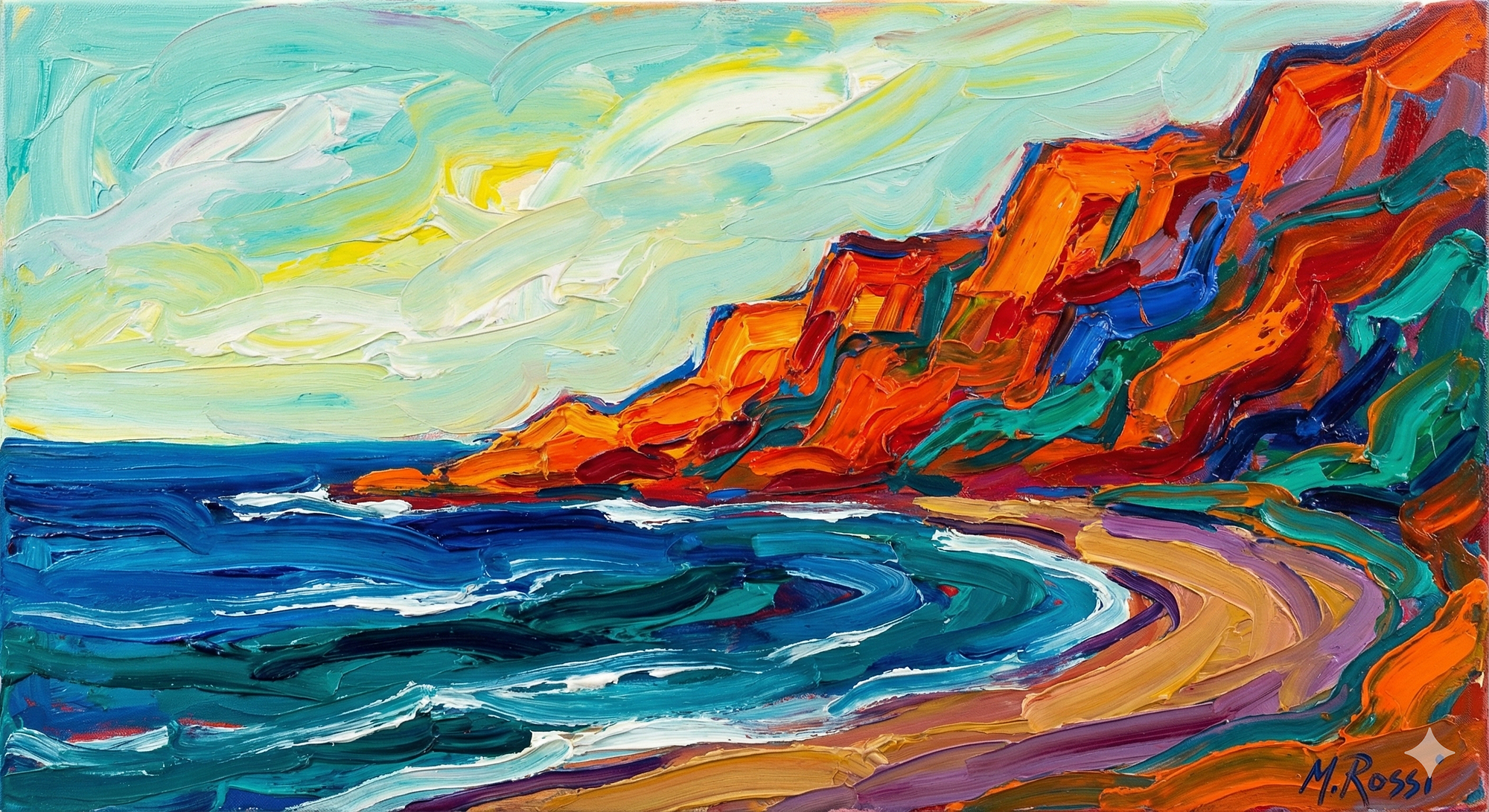
Also, he painted coastal scenes that feel like the sea is auditioning for a starring role.
For a specific example of his work in a major collection, see this SFMOMA entry: SFMOMA: Paysage (Le Bec de l’Aigle, La Ciotat).
Anything else left to tell?
Yes: Friesz is a reminder that art movements are not prisons. You can:
- jump in,
- help define the look,
- then evolve, without filing a formal resignation letter to the Color Council.
Any other interesting tidbits?
- He came from a port-city lineage tied to ships and sea culture, which makes the number of harbors and coastlines in his orbit feel extremely on-brand.
- He spent years teaching, which is the most under-rated form of artistic immortality: your brushwork survives in other peoples hands.
Your move
If this made you grin, follow me for more episodes where art history gets treated like a living thing instead of a museum whisper. And drop a comment with this:
Which would you rather paint for a week straight: a harbor at noon, or a harbor at stormy dusk?
Art Prompt (Fauvist Landscape):
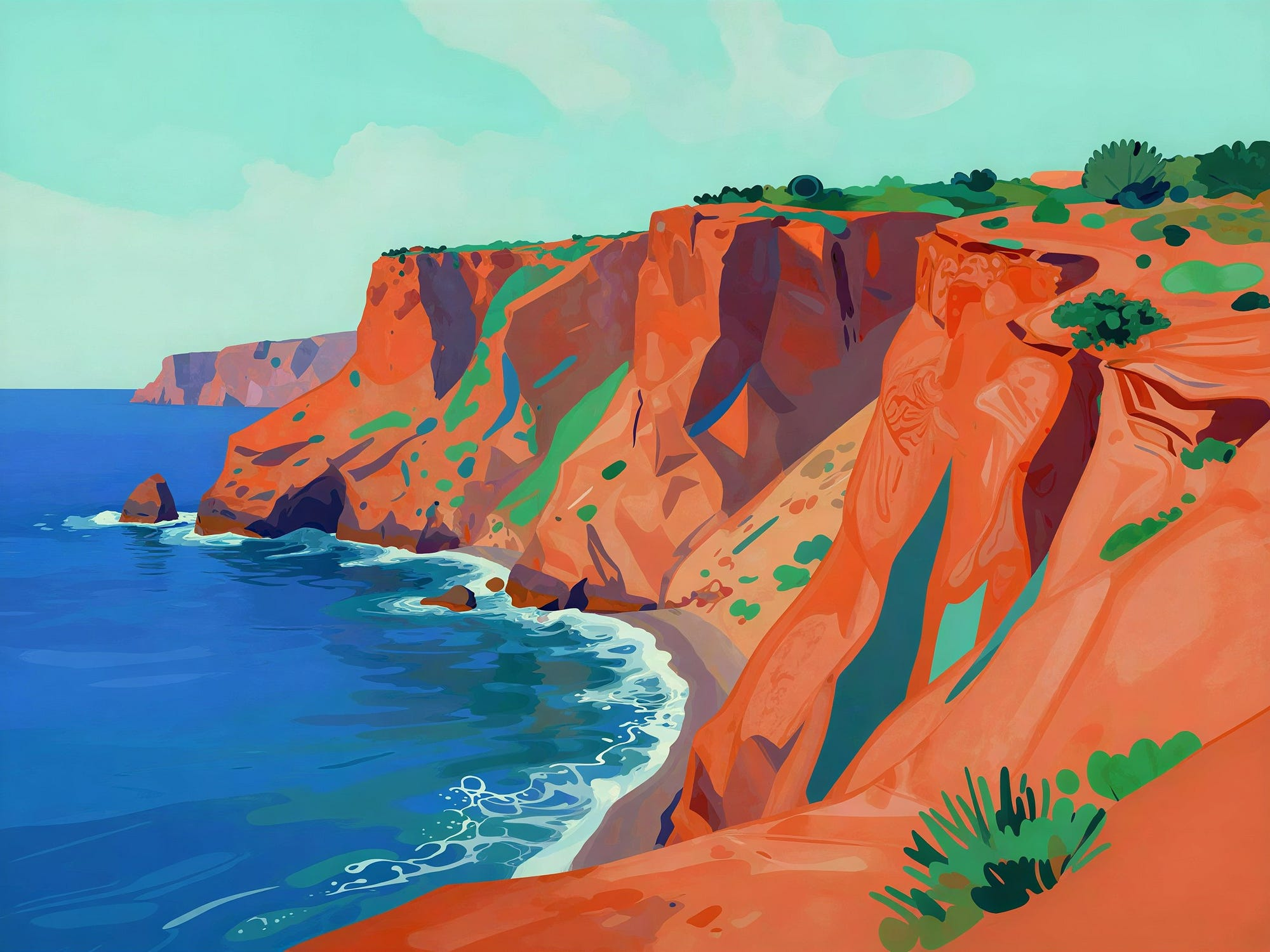
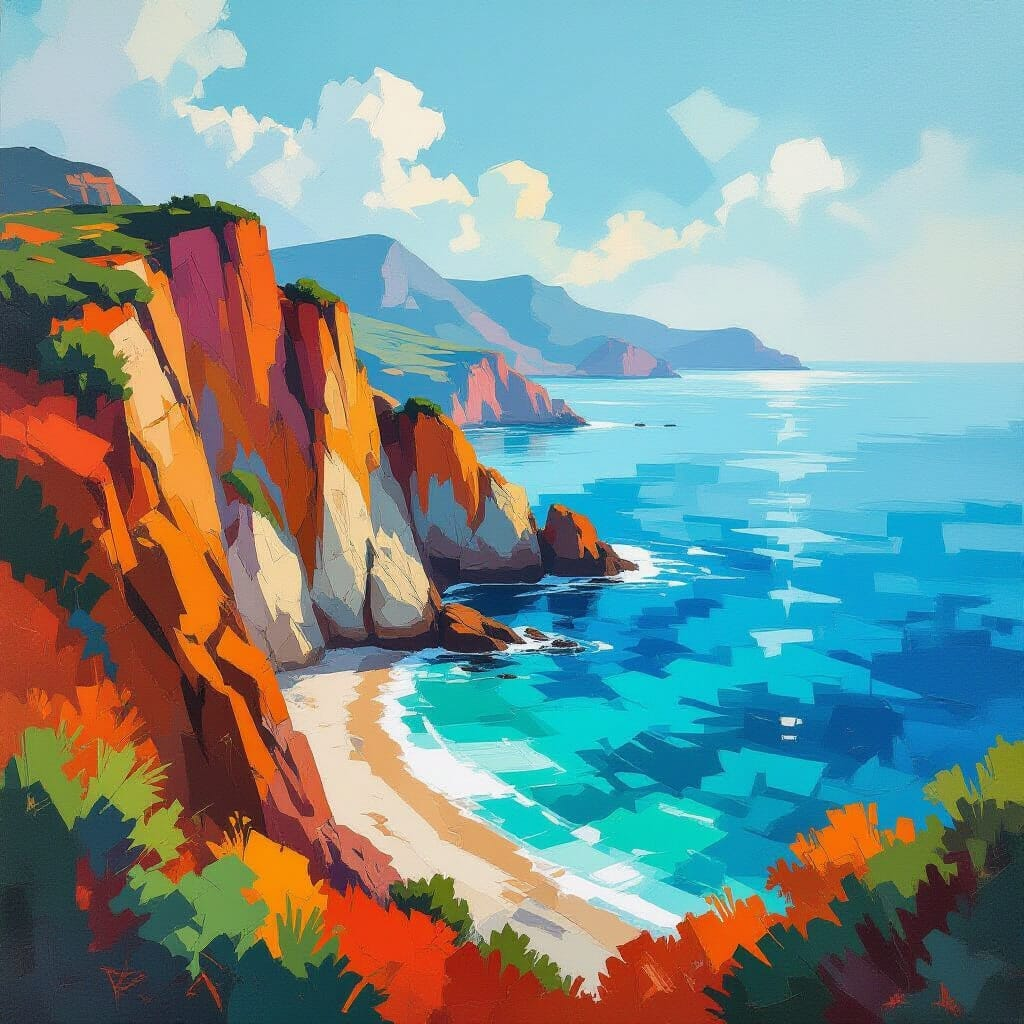
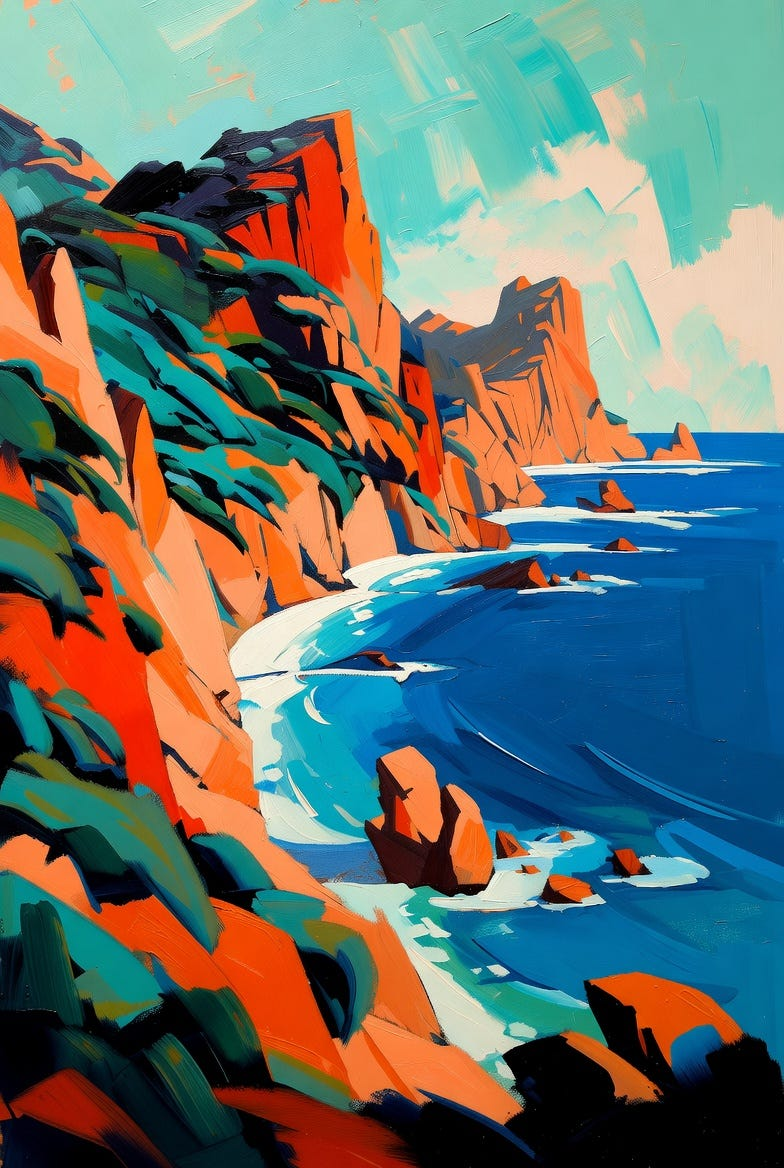
A dramatic Mediterranean coastal cliff scene painted with fearless, high-chroma color and energetic, confident brushwork. Jagged orange-red rock faces rise above a sweeping cobalt sea, with emerald and teal shadows cutting across the stone in bold, simplified planes. The shoreline curves in a rhythmic arc, and the sky glows with pale turquoise and milky white haze, creating a sun-struck atmosphere. Forms are deliberately flattened and stylized, emphasizing strong compositional structure over realism. Paint appears thick and lively, with visible strokes and edges that feel carved by color. The mood is vivid, fresh, and wind-swept, like standing on a cliff as the ocean roars below.
Animate a vivid coastal cliff painting with bold, high-chroma brushwork and simplified planes of color. Begin with a slow aerial glide along jagged orange-red cliffs above a sweeping cobalt sea, then transition into closer passes where thick paint strokes subtly ripple and shimmer as if freshly applied. Add gentle parallax between cliff faces, sea, and sky to create depth while keeping the stylized, flattened shapes intact. The ocean surface pulses in rhythmic bands of blue and teal, with soft foam accents appearing like quick brush flicks. Introduce occasional gust-like motion that makes color edges vibrate slightly, as though the wind is energizing the pigment. End on a wide shot where the curved shoreline and glowing turquoise sky settle into a calm, sun-struck stillness.
Song Recommendations:
- Spanish Sahara — Foals
- Your Blood — RY X