For years, iRobot was the robot vacuum company. Not a robot vacuum company. The robot vacuum company. If you said “Roomba,” people nodded like you’d just said “Kleenex” or “Google it.” This was the firm that convinced millions of humans to trust a hockey puck with a motor to roam their homes unsupervised. What could possibly go wrong?
Quite a bit, it turns out.
Let’s get the big question out of the way first: did iRobot actually go bankrupt? Yes. But not in the cinematic “office chairs rolling sadly down empty hallways” way. In December 2025, the company entered a court-supervised Chapter 11 restructuring process, announced publicly via a press release that reads calm, reassuring, and quietly devastating if you know how to read corporate language. You can find the full announcement directly from the company via PR Newswire.
So what does Chapter 11 actually mean? Despite popular belief, it does not mean “turn out the lights and sell the desks.” Chapter 11 is the “we need to fix this without setting everything on fire” option. The company keeps operating, keeps paying employees and suppliers, keeps shipping products, and keeps pretending everything is fine while lawyers rearrange the financial furniture behind the scenes.
In iRobot’s case, that rearranging ended with its secured lender and main manufacturer, Shenzhen PICEA Robotics Co., Ltd., agreeing to acquire the company outright through the court process. When the dust settles, iRobot becomes a private company, its stock disappears from NASDAQ, and existing shareholders are left holding a valuable lesson instead of equity.
Now the uncomfortable question: how did the company that invented the modern robot vacuum end up here?
Ironically, being first was both the superpower and the trap. iRobot introduced the Roomba in 2002, long before “smart home” was a phrase people said without air quotes. It spent years educating the market, refining navigation, building brand trust, and proving that yes, a robot could clean your floors and no, it would not immediately destroy your house.
Then everyone else showed up.

The robotic vacuum market exploded. Low-cost competitors flooded in, premium competitors chased features, and suddenly iRobot was no longer the only adult in the room. Prices dropped, margins thinned, and innovation became both mandatory and expensive. Sensors, mapping, AI, software updates, app ecosystems — all of it costs real money, especially when you’re supporting millions of devices already living in people’s homes.
At the same time, global manufacturing got weird. Supply chains strained, component costs fluctuated, and iRobot was deeply tied to its manufacturing partner. Debt piled up. Growth slowed. The math stopped working the way spreadsheets like to pretend it always will.
This wasn’t a failure of engineering. iRobot is still very good at building robots. It was a collision between market saturation, rising costs, and a balance sheet that lost its flexibility at the worst possible time.
What is the company actually known for, beyond being the name everyone uses generically? iRobot didn’t just make vacuums. It pioneered consumer-friendly robotics, practical indoor mapping, autonomous navigation in chaotic environments, and the idea that robots could be boring, reliable appliances instead of sci-fi novelties. That boring reliability is a feature, not a bug, even if it doesn’t excite investors anymore.
So what happens next?
Under new ownership, iRobot keeps operating. Products continue shipping. Apps stay online. Support remains intact. According to the restructuring plan, the company emerges with less debt and more room to invest in future designs, just without the pressure of quarterly earnings calls and stock ticker humiliation. You can even follow the court process details through the official claims site managed by Stretto, Inc. at cases.stretto.com/iRobot if that’s your idea of a fun evening.
The biggest takeaway is not that iRobot failed. It’s that being the category creator doesn’t guarantee eternal dominance. Markets catch up. Competitors multiply. Hardware margins shrink. And sometimes the best move is to stop pretending the public markets will magically fix structural problems.
There’s also a quietly poetic ending here. The company that taught robots how to clean house is now cleaning up its own financial mess, methodically, carefully, and without panicking. Very on brand.
If you’ve got thoughts, theories, or a Roomba horror story involving pet hair and bad decisions, drop a comment. If you want more deep dives into tech, business, and creative chaos, follow along. The robots may be quiet, but the stories around them never are.
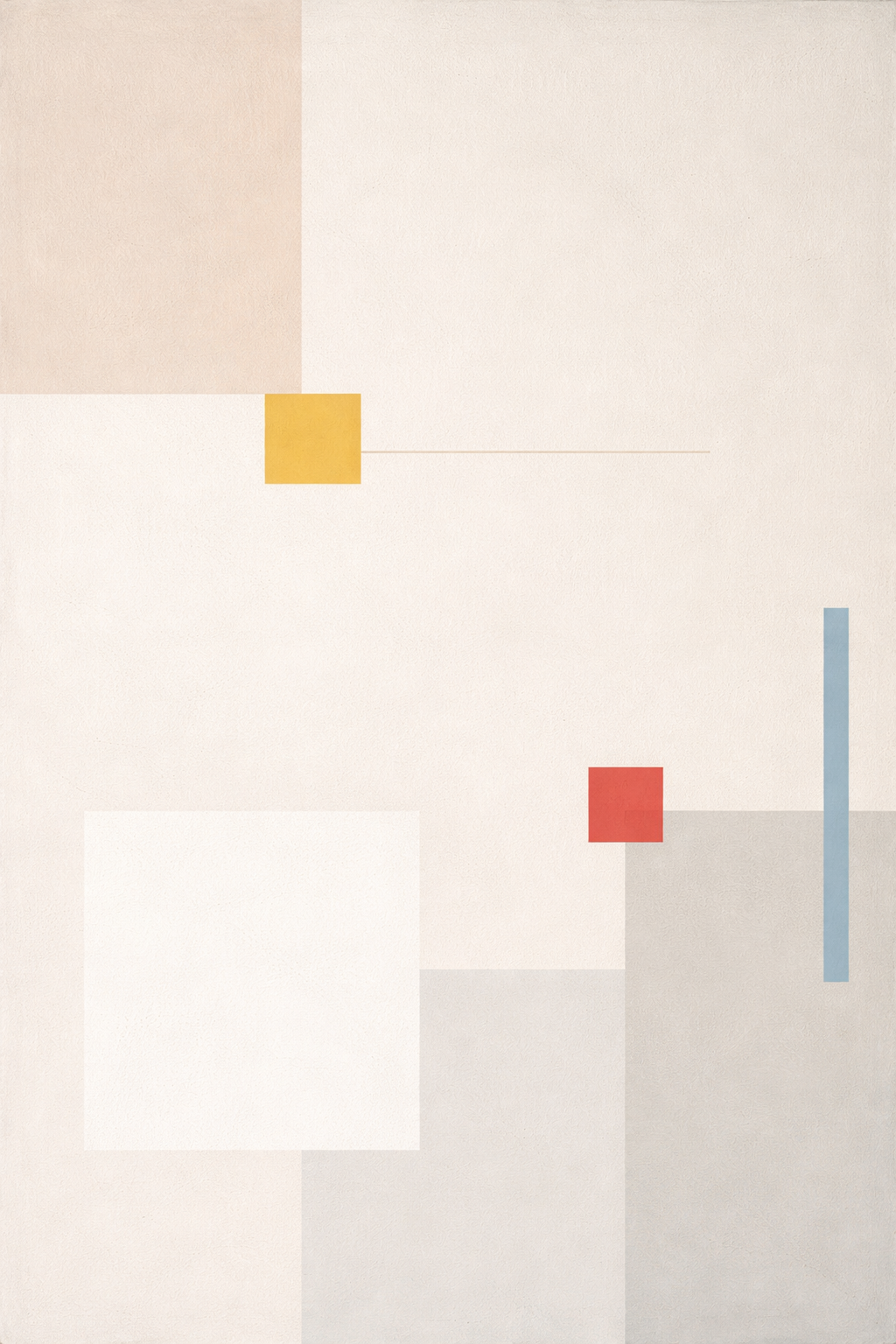
Art Prompt (Minimalism): A serene composition built from expansive fields of soft ivory and warm gray, punctuated by a few precisely placed geometric forms in muted primary tones. The surface feels airy and intentional, with sharp edges softened by subtle texture, as if pigment were absorbed into raw canvas. Negative space dominates the scene, creating balance through restraint rather than detail. The mood is contemplative and architectural, suggesting order, clarity, and quiet confidence through simplicity alone.
Video Prompt: Slow camera drift across the minimalist composition as geometric forms gently slide into alignment. Subtle light shifts reveal texture in the canvas, with soft shadows gliding across surfaces. Occasional micro-movements introduce calm rhythm, creating a hypnotic sense of balance and modern elegance as the composition breathes and settles.
For the soundtrack, try pairing the visuals with:
- “Liminal” — Hania Rani
- “Soft Geometry” — Kiasmos
If this made you think, laugh, or glare suspiciously at your robot vacuum, follow for more and tell me what you want dissected next.