
Web3 overview — What is Web3? — 2025 Global Crypto Adoption Index — L2 ecosystem tracker — State of Crypto 2024 — Product: MetaMask
Web3 is the idea that the web should feel less like a mall owned by a few landlords and more like a bustling bazaar where you actually hold the keys to your shop. It’s built on blockchains (shared databases with receipts), smart contracts (code that behaves like vending machines with fine print), and tokens (digital assets that can represent money, memberships, or that picture of a rock you swear is tasteful).
What is it? A decentralized web stack where apps are composed of smart contracts, data is on public ledgers or decentralized storage, and users log in with wallets instead of passwords. You keep assets, identity, and history in your own pocket (well, in your wallet).
Is it still relevant? Yes. The hype waves come and go like the seasons, but real usage keeps compounding — payments, stablecoins, games, DeFi, and identity. It’s less “gold rush,” more “infrastructure quietly getting better.”
Pros and cons Pros: user ownership, programmable money, open APIs by default, permissionless innovation. Cons: UX can be “expert mode,” scams exist (use reputable tools and never sign mystery transactions), and fees/latency vary by network.

Strengths and weaknesses Strengths: composability (apps stack like LEGO), global liquidity, transparent audit trails. Weaknesses: private key management is unforgiving, regulation is a moving target, and some systems trade convenience for decentralization.
What is it used for? Moving value instantly across borders, trading without middlemen, crowdfunding, gaming economies, creator memberships, tamper-resistant records, on-chain identity, and token-gated communities.
An example A ticketing app issues on-chain passes. You buy one, it lands in your wallet, and a smart contract enforces resale rules (no 1000% markups, sorry Chad). At the door, you tap your wallet — no QR codes, no name mismatch, just “Yes, you own this.”
Alternatives You can stick with Web2 platforms (great UX, less control), or use hybrid architectures that keep decentralization where it matters (payments, identity) and Web2 for speed (CDNs, databases). Different chains (Ethereum, Solana, Bitcoin layers, Cosmos zones) are also alternatives to each other with distinct trade-offs.
Famous art? Not exactly the Louvre, but the NFT boom minted cultural artifacts — some stunning, some… experimental. The larger “web3 aesthetic” leans generative, on-chain provenance, and interactive ownership.
How popular is it, and trendline? Adoption is uneven but broadening, with standout regions in Asia and Africa, and steadily growing institutional rails. Directionally: up and to the right for builders and stablecoin use; overall public attention still cycles with markets.

Peak popularity? Public attention peaked in late 2021, but developer traction and L2 activity have been climbing more sustainably since.
History (speed-run)
2014: the “web3” term enters the chat.
2015–2019: programmable chains + early DeFi.
2020–2021: DeFi summer and NFT breakout.
2022–2023: reality check; infra hardens; L2s scale.
2024–2025: payments, gaming, and identity mature; institutions build rails.
Who “invented” it? No single inventor — more a convergence. The label popularized by early Ethereum folks; the substance arrived via many chains, standards, and open-source projects.
Who uses it most? Fintechs moving value, creators monetizing directly, game studios experimenting with asset ownership, global remitters using stablecoins, and a swarm of startups building wallets, L2s, and infra.
Similar to anything else? Think open-source software meets finance meets identity — like if APIs could also hold money and permissions.
Does it play nicely with AI? Yes, with caveats. Smart contracts can escrow payments for AI agents, record model-generated provenance, and gate access to datasets. AI improves fraud detection, wallet UX, and dev tooling. The catch: safety and key management still matter.

Tech stack Chains: Ethereum + L2 rollups, Solana, Bitcoin L2s, Cosmos appchains. Langs: Solidity, Vyper, Rust, Move. Storage/Indexing: IPFS/Arweave, The Graph, subgraphs. Frontend: the usual Web stack (React/Vue/Svelte) + wallet connectors.
Best-in-class tools Wallets (MetaMask, hardware companions), developer suites (Hardhat, Foundry), security libs (OpenZeppelin), RPC providers (Infura, Alchemy), analytics (Dune), and L2 dashboards for health checks.
How much will it cost me? Wallet: free. Hardware wallet: roughly the cost of a fancy dinner. Gas fees: from fractions of a cent on some L2s to “oof” during rush hour. Building a production dApp: similar to any SaaS, plus audits — don’t skimp on those.
Tidbits
- Your address is public; your identity doesn’t have to be.
- “Not your keys, not your coins” is cliché for a reason.
- The most underrated feature is composability: one team’s public smart contract becomes everyone else’s building block.
If you want a hands-on taste, try the product link above, mint a test NFT on a testnet, and tell me what broke (or what surprised you). Follow for more experiments, and drop a comment with the toughest web3 question you’ve got — bonus points if it starts with “I know this is dumb but…”
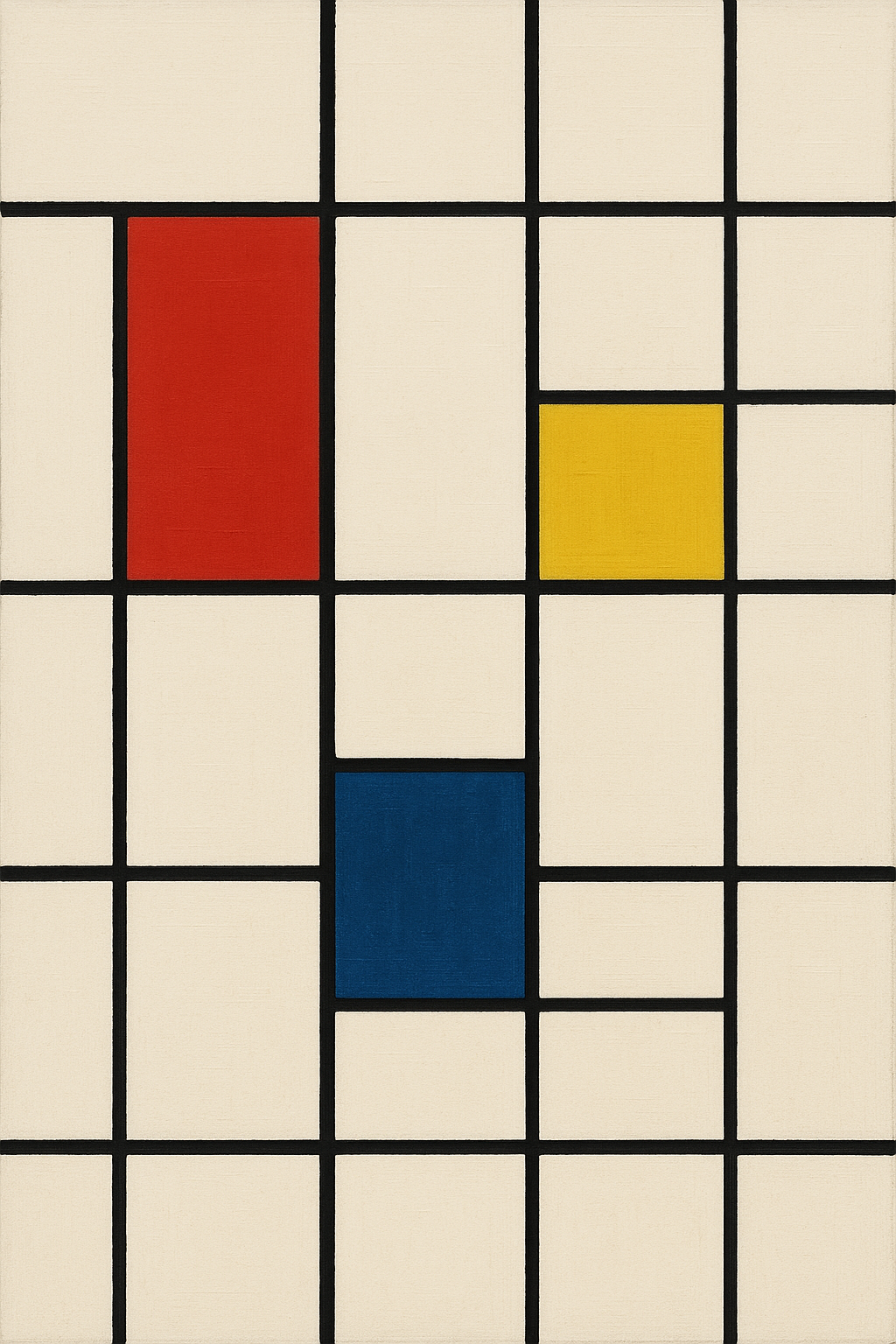
Art Prompt (Geometric): A crisp grid of charcoal-black lines dividing spacious ivory fields; primary reds, blues, and sunlit yellows slot into asymmetrical rectangles with quiet confidence; edges razor-clean yet human, with tiny breathing imperfections; generous negative space balancing a few saturated blocks; the overall mood serene but decisively rhythmic, like a city map simplified to its heartbeat — gentle discipline echoing De Stijl, harmony built from tension, equilibrium achieved through bold restraint.

Video Prompt: Rapid cuts reveal the geometric canvas assembling itself: lines snap into place with percussive clicks, rectangles pop-in on beat, colors bloom from grayscale to bold primaries; quick zooms land on micro-imperfections that prove it’s handmade; mid-sequence, the grid rhythm shifts — blocks slide, rotate 90 degrees, and lock with a satisfying thunk; climax with a dynamic pulse as the composition “breathes” (subtle scale in/out) before settling into perfect balance; crisp foley (paper, pen, mechanical clicks); end on a one-second hold to let the colors hum.
Songs to pair with the video
- Lighten Up — Parcels
- Digital Love — Daft Punk