
Jest is the test runner that showed up at the JavaScript party with a camera, a time machine, and way too much energy. Born at Facebook to wrangle React components, it has since become the go-to framework for frontend devs who like their tests snappy, opinionated, and just a little bit magical.
What is it? Jest is a JavaScript testing framework that handles unit, integration, and snapshot testing. It bundles an assertion library, mocking, and spies, so you don’t need to duct-tape five tools together.
Is it still relevant? Absolutely. Jest dominates the React ecosystem and remains one of the most-downloaded test frameworks on npm. It isn’t just “still relevant” — it’s the kid sitting at the front of the class raising their hand for every question.
Pros and cons?
Pros: Fast, batteries-included, easy setup, strong snapshot testing, great error messages, and broad ecosystem support.
Cons: Heavier for small non-React projects, snapshots can encourage lazy testing if abused, and performance dips when your suite grows into the “thousands of tests” territory.
Strengths and weaknesses? Jest’s strength is its simplicity — you can spin up tests in seconds without wiring extra libraries. Its weakness? Debugging weird snapshot diffs at 2AM feels like arguing with a fax machine.
What is it used for? Testing JavaScript applications — React, Node, APIs, even some backend. If it runs on JS, Jest can probably test it.
Example:
test('adds numbers', () => {
  expect(1 + 2).toBe(3);
});
Congratulations, you just wrote a Jest test. If only taxes were this simple.
Alternatives? Mocha, Jasmine, AVA, Vitest. Vitest is especially spicy — it’s like Jest’s younger, faster sibling who drinks too much cold brew.
Is it the subject of any famous art? Not unless you count GitHub memes of crying devs surrounded by red test failures.
How popular is it? Hugely. npm trends shows Jest towering over the competition like Godzilla over Tokyo.
Is it going up or down? Still strong, though Vitest is nibbling at its heels in the Vite ecosystem.
When was it most popular? Jest exploded with the rise of React in the mid-2010s and hasn’t looked back since.
History? Created at Facebook around 2014, originally mocked for being slow, but rewrites and community love turned it into a powerhouse.
Who invented it? Christoph Nakazawa led its creation at Facebook.
What companies use it? Facebook/Meta, Airbnb, Spotify, and basically every startup building React apps while running on oat milk and cold brew.
Similar to? Mocha (with Chai and Sinon), Vitest, Jasmine.
Does it work well with AI? Tools like GitHub Copilot happily spit out Jest tests. LLMs + Jest = autogenerating snapshots of your sanity.
Tech stack? Works with Node.js, React, TypeScript, Vue, Angular — you name it.
What tools work best with it? Babel, TypeScript, React Testing Library. Combine them and you’ve got a developer’s breakfast burrito.
Tidbits? Jest has a “watch mode” that feels alive — it reruns only affected tests. It also has built-in code coverage, so you can see just how many lines of your code are unloved.
So yes, Jest is still the loud, excitable kid of the testing frameworks classroom. But sometimes, that’s exactly what you want.

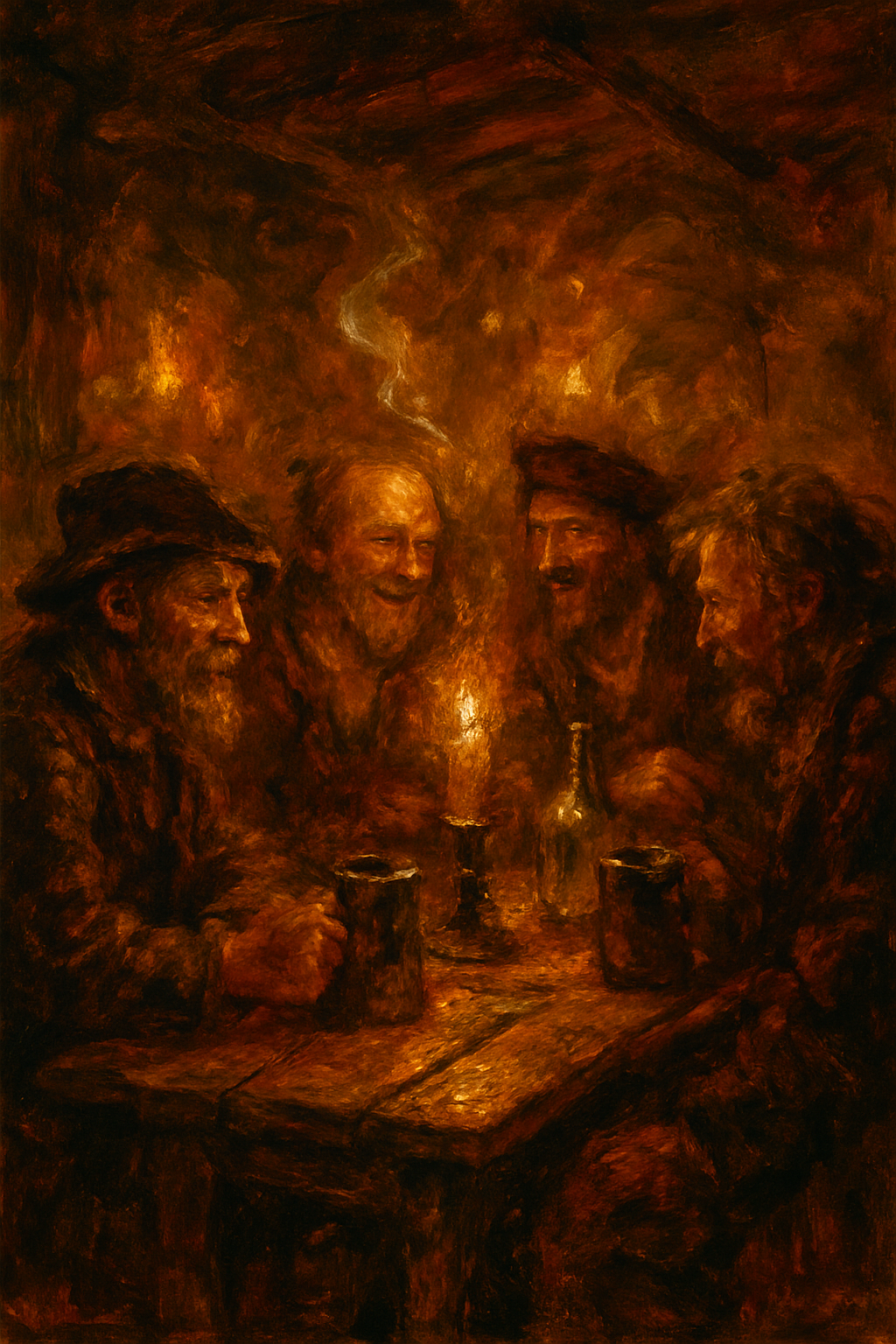
Art Prompt: A dimly lit tavern filled with warm golden light, where weathered figures gather around a wooden table. Loose, rapid brushstrokes capture blurred movement of smoke, flickering candles, and laughter. Deep ochres, umbers, and crimson dominate the palette, punctuated by sudden flashes of ivory where light glints off glass and metal. The scene feels alive yet chaotic, as if painted in a feverish trance, pulling the viewer into a swirl of energy and raw emotion.
Video Prompt: Camera pushes through a crowded tavern lit by flickering candles, weaving between blurred figures in motion. Smoke curls upward as laughter and glass clinks echo. The scene trembles with energy — fast cuts between glowing candlelight, quick brushstroke textures, and sudden bursts of ivory light reflecting off moving hands and shifting faces. The video pulses like a living painting, caught between chaos and celebration.
Pair it with tracks like “Wakin on a Pretty Day” by Kurt Vile or “Something in the Way” by Nirvana for maximum vibe.
Follow for more deep dives into testing tools, and drop a comment — do you swear by Jest, or are you sneaking off with Vitest these days?